

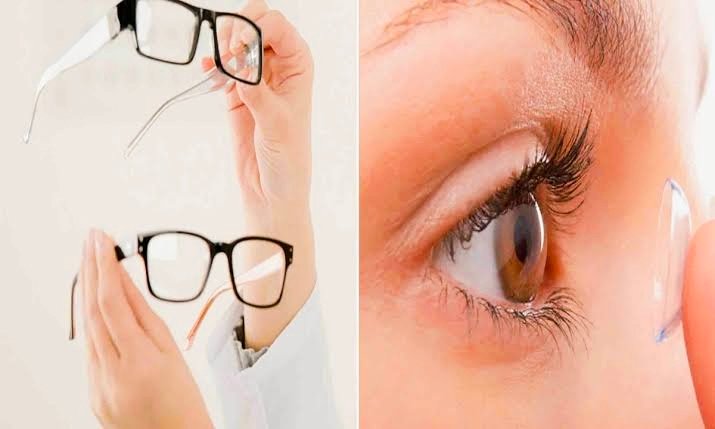
Navigating vision correction becomes more nuanced when you’re managing both astigmatism and age-related vision changes. If you’re in your 40s or beyond and noticing that your astigmatism prescription now needs to account for reading difficulties, you’re not alone. Millions face this dual challenge, and fortunately, both contact lenses and glasses offer viable solutions. The question is: which option truly fits your lifestyle?
Understanding Your Changing Vision Needs
Age-related vision loss, medically known as presbyopia, typically begins around age 40 when your eye’s natural lens loses flexibility. Combined with astigmatism—the irregular corneal curvature that blurs vision at all distances—you’re essentially dealing with two optical challenges that require coordinated correction.
This combination means you need vision correction that addresses both the distortion from astigmatism and the inability to focus on close objects. Years ago, this might have meant wearing glasses with a complex prescription or using reading glasses over your contact lenses. Today’s technology offers more integrated, convenient solutions.
The Contact Lens Approach
For active individuals who value freedom from frames, contact lenses provide compelling advantages. Toric contact lenses specifically correct astigmatism by matching your eye’s irregular shape with different powers in different orientations. These lenses stay positioned correctly on your eye through weighted or prism ballast designs, ensuring consistent clear vision.
When presbyopia enters the picture, you have several contact lens options. The simplest approach involves wearing toric contact lenses for distance vision and using reading glasses when needed for close work. This works well if you only occasionally need to read or if you work primarily at distance.
For those wanting complete freedom from glasses, multifocal toric contact lenses combine astigmatism correction with presbyopia management in a single lens. These sophisticated lenses incorporate multiple zones or gradual power transitions, allowing your eyes to focus at various distances naturally. While they require professional fitting and typically involve a week or two of adaptation, many wearers find them transformative.
The main considerations with contact lenses include daily maintenance requirements, potential eye dryness, and the discipline needed for proper hygiene. Some people also find that multifocal contact lenses provide slightly less crisp vision than glasses, particularly in low light or when reading very small print.
The Glasses Solution
Varifocal glasses represent a proven, reliable choice for managing astigmatism alongside age-related vision changes. These progressive lenses seamlessly transition from distance correction at the top through intermediate vision in the middle to reading power at the bottom, all while correcting your astigmatism throughout.
The beauty of varifocal glasses lies in their simplicity and consistency. Once properly fitted, they require minimal adjustment period—usually just a few days to learn which part of the lens to use for different tasks. There’s no insertion routine, no cleaning solutions to buy, and no risk of eye infections or dryness.
Modern varifocal glasses have overcome many limitations of earlier progressive lens designs. Wide corridors provide comfortable intermediate vision for computer work, while improved peripheral optics reduce distortion when glancing sideways. High-index lens materials keep glasses thin and light, even with stronger prescriptions.
For people who spend extended periods reading, working at computers, or doing detailed close work, varifocal glasses often provide superior visual quality compared to multifocal contact lenses. The stable lens position ensures your astigmatism correction never shifts, maintaining consistently sharp vision.
Lifestyle Factors to Consider
Your daily activities should heavily influence your decision. If you’re physically active, enjoy sports, or dislike the feeling of frames on your face, contact lenses might align better with your lifestyle. They provide unobstructed peripheral vision and won’t fog up during temperature changes or slip during movement.
Conversely, if you work in dusty environments, spend long hours focused on screens or documents, or have naturally dry eyes, varifocal glasses might prove more comfortable and practical. They also provide a barrier of protection for your eyes against environmental irritants.
The Hybrid Approach
Many people discover that maintaining both options provides optimal flexibility. Wearing contact lenses during social events, active pursuits, or long workdays, then switching to varifocal glasses for relaxed evenings, intensive reading sessions, or when your eyes need a break from contacts creates a balanced approach.
This strategy also ensures you always have reliable backup vision correction. If contact lenses become uncomfortable or you run out unexpectedly, your glasses keep you functioning normally.
Making Your Personal Choice
Consider scheduling comprehensive consultations to try both options. Many eye care professionals offer trial periods for contact lenses, allowing you to experience multifocal toric lenses before committing. Similarly, understanding the exact specifications and design of your potential varifocal glasses helps set realistic expectations.
Ultimately, the best choice respects your comfort, supports your lifestyle, and provides the clear vision you need for work, hobbies, and daily life. Whether you choose the flexibility of contact lenses or the reliability of varifocal glasses, modern vision correction technology ensures you don’t have to compromise.
 Qasim Bhai