

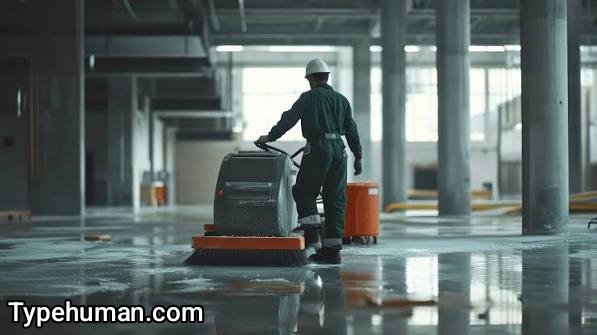
Construction projects, whether residential or commercial, leave behind more than just completed structures. Dust, debris, and leftover materials often remain scattered across the site, making it essential to undertake a thorough post construction cleaning process. This type of cleaning goes beyond routine housekeeping; it requires specialized techniques, tools, and expertise to ensure spaces are safe, clean, and ready for use. In this guide, we’ll explore the concept of post construction cleaning, its importance, effective methods, and key considerations for achieving the best results.
Understanding Post Construction Cleaning
Post construction cleaning is a meticulous process aimed at removing construction dust, debris, and residues left after renovation or building projects. Unlike standard cleaning routines, post construction cleaning addresses challenges unique to newly built or renovated areas. Dust can settle on every surface, from floors and walls to light fixtures and HVAC systems, and leftover construction materials may pose hazards if not properly removed.
This type of cleaning is typically divided into two phases: rough cleaning and final cleaning. Rough cleaning involves removing larger debris, packaging materials, and excess construction dust immediately after construction work concludes. Final cleaning, performed after all construction tasks are complete, ensures that every corner, surface, and fixture is spotless, polished, and ready for occupancy.
Importance of Post Construction Cleaning
There are several critical reasons why post construction cleaning is essential. First and foremost is health and safety. Construction dust often contains fine particles like silica, cement, and drywall dust, which can irritate the respiratory system and cause long-term health issues if inhaled. Sharp debris or leftover nails and screws can also pose physical hazards. Thorough cleaning mitigates these risks and creates a safe environment for workers, occupants, and visitors.
Another key reason is aesthetic appeal. A freshly constructed building may look impressive, but accumulated dust, smudges, and leftover construction marks can diminish its overall appearance. Post construction cleaning ensures that the space reflects the quality of the work done, leaving surfaces polished and inviting.
Finally, post construction cleaning helps in preserving the longevity of materials and finishes. Dust and construction residues can scratch or stain surfaces over time. By removing these contaminants promptly, building owners protect floors, countertops, cabinets, and fixtures, extending their life and maintaining the integrity of the project.
Key Components of Post Construction Cleaning
An effective post construction cleaning routine involves several critical components. The first step is inspection and assessment. Identifying areas with heavy debris, dust accumulation, or construction residues helps prioritize cleaning tasks and allocate resources efficiently.
The next component is removal of large debris and waste. Construction sites often leave behind wood scraps, nails, drywall pieces, and packaging materials. Removing these items is the first step to making the space safer and more manageable for detailed cleaning.
Dust removal and surface cleaning form the core of post construction cleaning. Dust can cling to walls, floors, ceilings, light fixtures, and air vents. Specialized vacuums, microfiber cloths, and cleaning solutions are used to ensure dust is thoroughly removed without damaging surfaces.
Sanitization and polishing are also essential. After dust removal, surfaces such as countertops, cabinets, glass doors, and stainless steel fixtures are sanitized and polished to achieve a pristine finish. In some cases, windows and mirrors require streak-free cleaning to enhance overall aesthetics.
Effective Techniques for Post Construction Cleaning
Post construction cleaning requires specialized techniques to handle the unique challenges of newly built spaces. One effective method is dry dusting and vacuuming. Using high-efficiency particulate air (HEPA) filters and industrial-grade vacuums prevents dust from dispersing into the air while effectively removing fine particles from floors, walls, and other surfaces.
Wet cleaning and mopping are essential for floors, especially tile, hardwood, or laminated surfaces. Using the appropriate cleaning agents ensures that dust, adhesive residues, and paint splatters are removed without damaging the flooring.
Detail cleaning is a crucial step. This involves wiping down baseboards, window sills, light fixtures, switches, door frames, and vents. Neglecting these areas can leave behind dust and dirt that reduce the overall cleanliness of the space.
Glass and mirror cleaning requires special attention to achieve streak-free results. Using professional-grade glass cleaners and microfiber cloths ensures clarity and enhances the appearance of windows, glass doors, and mirrors.
Tools and Equipment for Post Construction Cleaning
Post construction cleaning often requires more than standard cleaning tools. Key equipment includes industrial vacuums, microfiber cloths, mops, buckets, scrapers, ladders, and brushes. In some cases, power washers or specialized floor polishers may be used to remove stubborn residues.
Additionally, personal protective equipment (PPE) such as gloves, masks, goggles, and overalls is critical for protecting cleaning personnel from dust and construction hazards. Proper training on equipment usage and safety protocols ensures that cleaning is both effective and safe.
Environmental and Safety Considerations
While post construction cleaning focuses on hygiene and aesthetics, environmental and safety considerations are equally important. Using eco-friendly cleaning agents reduces exposure to harsh chemicals while minimizing environmental impact. Proper disposal of construction debris, such as wood scraps, metal, and packaging, ensures compliance with waste management regulations.
Safety is paramount during post construction cleaning. Sharp objects, dust inhalation, and unstable surfaces pose risks. Cleaning teams must follow safety protocols, use PPE, and work systematically to prevent accidents.
Challenges in Post Construction Cleaning
Despite its importance, post construction cleaning comes with challenges. One common issue is dust resettling, especially in large or poorly ventilated spaces. Using proper dust containment techniques and thorough vacuuming helps minimize this problem.
Another challenge is time management. Post construction cleaning can be labor-intensive, particularly in large projects. Effective planning, staffing, and scheduling ensure that cleaning is completed efficiently without compromising quality.
Finally, damage prevention is critical. Cleaning personnel must be cautious when handling delicate surfaces, new finishes, or glass installations. Using the right tools, techniques, and cleaning solutions protects the integrity of the construction work.
Conclusion
Post construction cleaning is a critical step in any construction or renovation project. It ensures that newly built spaces are safe, hygienic, and visually appealing. By following systematic cleaning routines, using the right tools and products, and adhering to safety and environmental standards, building owners and managers can achieve spaces that reflect the quality of their construction efforts.
From dust removal and debris management to detailed surface cleaning and sanitization, post construction cleaning transforms a construction site into a ready-to-use environment. Investing in this process not only enhances the health and safety of occupants but also preserves the aesthetics and longevity of building materials.
For any construction project, whether large or small, embracing a thorough post construction cleaning approach ensures a flawless, welcoming, and safe space. It is the final touch that completes the hard work of construction and renovation, leaving a lasting impression of cleanliness, quality, and professionalism.
 Qasim Bhai