

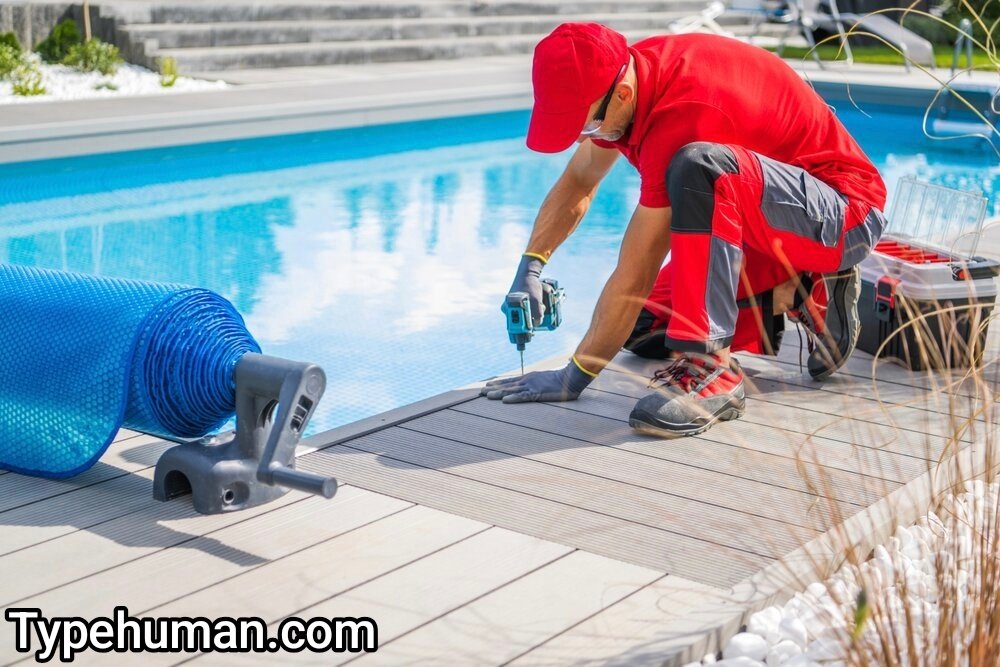
Introduction to Pool Repair
Owning a swimming pool is an investment that combines relaxation, recreation, and health benefits, but it comes with the responsibility of proper maintenance and timely repairs to ensure its longevity, safety, and optimal performance. Many pool owners underestimate the importance of addressing minor issues promptly, believing that small cracks, leaks, or equipment malfunctions are negligible; however, these seemingly minor problems can escalate over time into significant structural damage, costly repairs, or even the complete replacement of the pool if left unattended. Pool repair is not just a matter of fixing visible damage but involves a comprehensive approach to inspecting, maintaining, and restoring all components of the pool, including its structure, surfaces, equipment, and plumbing, notes Dallas Property Management Pros experts. Understanding the intricacies of pool repair, including common issues, techniques for restoration, and preventative maintenance, allows pool owners to preserve their investment, enhance safety, and ensure that their swimming pool remains a source of enjoyment and relaxation for years to come. Pool repair requires attention to detail, careful planning, and sometimes the expertise of professionals who can detect hidden issues and provide durable solutions that prevent recurrence of damage.
Common Pool Problems That Necessitate Repair
Swimming pools are constantly subjected to water pressure, chemical exposure, environmental changes, and frequent physical use, all of which can cause gradual deterioration over time. One of the most prevalent issues that lead to the need for pool repair is structural damage, such as cracks in concrete pools, stress fractures in fiberglass pools, or tears in vinyl liners. Concrete pools are particularly susceptible to cracking due to soil movement, temperature fluctuations, or prolonged exposure to water and chemicals, while fiberglass pools may experience fractures as a result of uneven ground or material stress, and vinyl liners are prone to punctures, tears, and general wear. These structural problems are not merely cosmetic; they can compromise the integrity of the pool, leading to water leakage, chemical imbalances, and damage to surrounding landscaping. Another frequent issue requiring pool repair is water leakage, which can occur in the pool shell, plumbing system, or filtration equipment. Continuous water loss not only increases utility costs but also decreases the effectiveness of chemical treatments and may result in more extensive damage if the source of the leak is not identified and addressed promptly. Equipment malfunction is another common cause for repair, as pumps, filters, heaters, and chlorinators are essential for maintaining clean, safe, and balanced water. Failure of any equipment component can disrupt water circulation, filtration, and sanitation, making the pool unsafe for swimming and accelerating wear on other systems. Additionally, surface wear, such as chipped tiles, rough plaster, fading finishes, and discoloration, can compromise both safety and aesthetics. Uneven or damaged surfaces create hazards for swimmers, reduce comfort, and can contribute to the growth of algae or corrosion of pool materials. Addressing these issues as part of regular pool repair ensures that the pool remains both visually appealing and structurally sound.
Step-by-Step Process for Effective Pool Repair
The process of repairing a pool begins with a thorough inspection and assessment, as identifying the root causes of problems is crucial for implementing effective repairs. Homeowners can begin by examining visible signs of damage such as cracks, discoloration, leaks, broken tiles, or malfunctioning equipment, but professional inspection often involves specialized techniques such as dye tests for leaks, pressure tests for plumbing integrity, and video inspections of underground pipes to detect hidden issues. Once the problems are identified, the pool must be cleaned and prepared to ensure that repairs are effective and long-lasting. Cleaning involves removing debris, algae, and dirt, and may require draining the pool for certain repairs. Surface preparation may include sanding, grinding, or acid washing to create a suitable area for patching or resurfacing. Structural repairs vary depending on the type of pool and the severity of the damage. Concrete pools often require epoxy injections or hydraulic cement to seal cracks, fiberglass pools may need gel coat repairs or specialized patching, and vinyl pools typically involve liner replacement to restore the pool’s integrity. Repairing or replacing faulty equipment such as pumps, filters, and heaters is essential to maintaining proper water circulation, chemical balance, and energy efficiency. Malfunctioning equipment left unattended can accelerate the deterioration of pool surfaces, increase energy consumption, and compromise the safety of swimmers. Surface restoration, including re-tiling, replastering, or applying new fiberglass coatings, improves the aesthetic appeal, provides a smooth and safe swimming environment, and prevents chemical corrosion and algae growth. Each step in the pool repair process contributes to preserving the functionality, safety, and visual appeal of the pool while preventing minor problems from escalating into major structural failures.
Benefits of Timely and Professional Pool Repair
Investing in regular pool repair provides numerous advantages that extend beyond the immediate resolution of visible damage. One of the primary benefits is cost savings, as addressing minor issues early prevents them from developing into larger, more expensive problems that require extensive repairs or complete pool replacement. Early detection and professional repair reduce the likelihood of emergencies, allowing pool owners to plan maintenance and expenses strategically. Another important benefit is enhanced safety. Pools with structural cracks, leaks, rough surfaces, or malfunctioning equipment pose significant hazards, including slips, cuts, electrical risks, and water contamination. Timely repair mitigates these risks, creating a safe environment for children, adults, and pets. Pool repair also enhances the aesthetic appeal of the swimming area, which is often a centerpiece of outdoor spaces. Maintaining tiles, plaster, and finishes preserves the pool’s visual attractiveness and contributes to overall property value. Furthermore, routine repair and maintenance significantly extend the lifespan of the pool and its components. By addressing structural weaknesses, repairing equipment, and resurfacing worn areas, pool owners can enjoy their pool for decades without needing extensive replacements. Properly maintained pools are more efficient, safer, and provide a consistently pleasant swimming experience, emphasizing the importance of integrating pool repair into long-term care strategies.
Practical Tips for Maintaining Your Pool Between Repairs
While professional pool repair is necessary for major structural or equipment issues, there are several practical steps that pool owners can take to maintain their pools and minimize the frequency of repairs. Regular cleaning is essential to prevent the accumulation of debris, dirt, and algae, which can stain surfaces, corrode equipment, and create unsafe swimming conditions. Skimming, brushing, and vacuuming the pool regularly ensures that the water remains clean and reduces the risk of surface damage. Maintaining proper chemical balance is another critical factor, as unbalanced water accelerates wear on surfaces, causes scaling or corrosion, and promotes algae growth. Pool owners should routinely test and adjust pH levels, chlorine concentration, alkalinity, and calcium hardness to protect both the pool structure and the health of swimmers. Regular equipment inspection and maintenance help identify potential malfunctions before they escalate. Checking pumps, filters, heaters, and plumbing systems ensures smooth operation and reduces the likelihood of costly emergency repairs. Preparing the pool for seasonal changes, including proper winterization and reopening procedures, protects against freezing temperatures, debris accumulation, and heavy rainfall, all of which can contribute to structural or surface damage. By following these maintenance practices, pool owners can significantly extend the interval between major repair needs and preserve the overall functionality and appearance of their pools.
When Professional Pool Repair Services Are Necessary
Although routine cleaning and minor maintenance can be performed by pool owners, professional pool repair services are indispensable for addressing complex or hidden problems. Structural damage such as deep cracks, leaks in underground plumbing, severe tile or plaster deterioration, and malfunctioning mechanical systems require expertise, specialized tools, and durable materials to resolve effectively. Professionals not only repair visible damage but also conduct thorough assessments to detect underlying issues that may otherwise go unnoticed. Choosing a reputable and experienced pool repair service ensures that repairs are conducted safely, efficiently, and according to industry standards. Additionally, professional services provide guidance on preventative maintenance strategies, helping pool owners minimize future problems and maintain consistent water quality, safety, and aesthetics. By investing in professional pool repair when necessary, pool owners protect their investment, avoid costly emergencies, and ensure a long-lasting, enjoyable swimming environment.
Conclusion
Swimming pools are valuable additions to any property, offering leisure, exercise, and aesthetic appeal, but they require consistent attention, maintenance, and repair to remain safe, functional, and visually pleasing. Structural damage, leaks, equipment malfunctions, and surface wear are common issues that necessitate pool repair and addressing them promptly is critical for avoiding more extensive problems. The pool repair process involves careful inspection, cleaning, structural restoration, equipment servicing, and surface resurfacing to ensure long-term durability and efficiency. Regular repair and preventative maintenance provide cost savings, enhance safety, preserve aesthetics, and extend the pool’s lifespan, allowing homeowners to enjoy a worry-free and pleasurable swimming experience. By prioritizing timely and comprehensive pool repair, pool owners can safeguard their investment, maintain optimal water quality and safety, and ensure that their swimming pools remain a source of enjoyment and relaxation for many years. Ultimately, understanding the importance of pool repair and integrating it into routine maintenance routines is essential for anyone seeking to preserve the functionality, safety, and beauty of their swimming pool over the long term.