

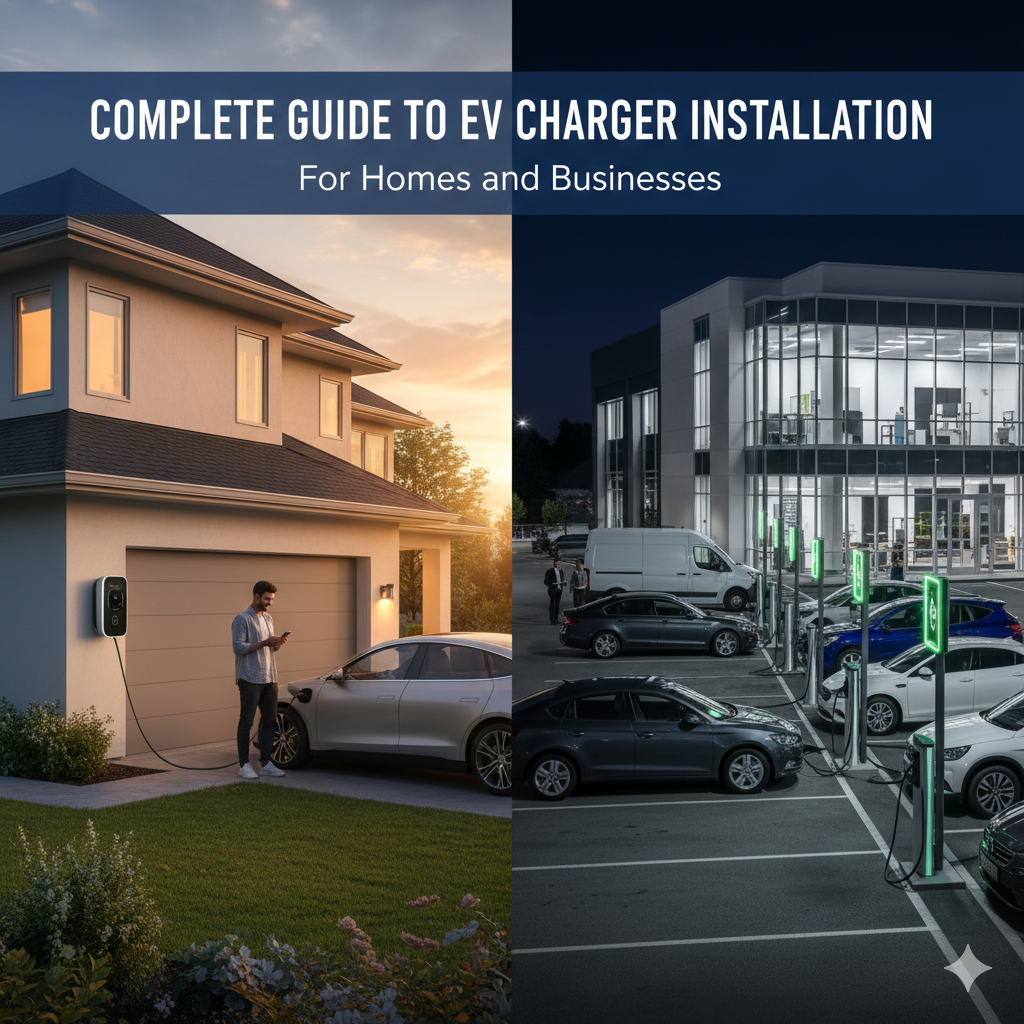
Understanding EV Charger Installation
With the rise of electric vehicles, EV charger installation has become a crucial part of modern home and business infrastructure. Installing an EV charger ensures that electric vehicles are charged safely, efficiently, and conveniently says Service Star Realty Peoria team. EV charger installation involves connecting a dedicated power source to an electric vehicle charging unit, ensuring compliance with electrical codes, and optimizing charging performance. Whether for personal use at home or for commercial applications, proper installation is critical to avoid safety risks and to maximize the efficiency of the charging system.
EV charger installation is not just about plugging in a device. It requires careful planning, including evaluating the property’s electrical capacity, selecting the correct charger type, and ensuring proper placement for accessibility and safety. Professionals performing EV charger installation are trained to handle high-voltage equipment, adhere to safety standards, and provide guidance on charger options, including Level 1, Level 2, and DC fast chargers. Proper installation ensures that the system operates reliably, protects the property from electrical hazards, and provides a seamless charging experience for EV owners.
Types of EV Chargers and Their Installation Requirements
There are several types of EV chargers, each with specific installation requirements. Level 1 chargers use standard household outlets and provide slow charging, suitable for overnight charging at home. Level 2 chargers require a dedicated 240-volt circuit and offer faster charging, often preferred for daily use at homes and workplaces. DC fast chargers deliver rapid charging in commercial or public settings but require professional-grade electrical infrastructure. Understanding the type of charger needed is essential before installation, as each type has unique power demands, wiring requirements, and safety considerations.
Steps Involved in EV Charger Installation
EV charger installation typically begins with a site assessment to determine the electrical capacity of the property and the optimal location for the charger. Professionals evaluate panel capacity, circuit availability, and distance from the power source to the intended charging point. Once the assessment is complete, installation involves running the necessary wiring, installing a dedicated circuit breaker, mounting the charging unit, and connecting it to the electrical system. Finally, the installation is tested to ensure proper operation, compliance with safety codes, and optimal charging performance.
Proper EV charger installation also includes configuring settings, such as charging schedules, energy management features, and connectivity options for smart chargers. Smart EV chargers allow users to monitor charging status, set timers, and even integrate with solar power systems for sustainable energy use. Ensuring these features are correctly set up is part of a comprehensive EV charger installation process.
Importance of Professional EV Charger Installation
Hiring professionals for EV charger installation is critical for safety and performance. High-voltage systems, if improperly installed, can cause electrical hazards, damage to vehicles, and property damage. Certified electricians have the knowledge and experience to handle complex wiring, ensure proper grounding, and follow local electrical codes. They also help determine the best charger type and placement, optimizing efficiency and convenience for daily use. Professional installation reduces the risk of malfunctions, maximizes the lifespan of the charging unit, and ensures safe operation for years to come.
Safety Considerations in EV Charger Installation
Safety is the primary concern in EV charger installation. High-voltage electrical systems can cause fires, shocks, or damage if improperly installed. Professionals follow strict safety protocols, including proper grounding, correct wire sizing, and adherence to national and local electrical codes. Additionally, installation in wet or outdoor environments requires weatherproofing and protective measures to prevent water infiltration. Proper safety measures during EV charger installation not only protect people and property but also ensure reliable operation under various conditions.
Cost Factors in EV Charger Installation
The cost of EV charger installation depends on several factors, including the type of charger, the electrical capacity of the property, and the complexity of wiring and circuit upgrades. Level 1 chargers are generally inexpensive to install as they use standard outlets, while Level 2 and DC fast chargers require dedicated circuits, higher voltage, and more professional labor, increasing installation costs. While initial investment may seem high, professional EV charger installation ensures safety, reliability, and optimal charging performance, providing long-term value for property owners.
Benefits of EV Charger Installation
EV charger installation provides numerous benefits for homeowners and businesses. At home, it offers the convenience of charging an electric vehicle overnight or on demand without relying on public stations. For businesses, installing EV chargers can attract customers, employees, and tenants who drive electric vehicles. It also demonstrates a commitment to sustainability and modern infrastructure. Proper installation ensures that chargers operate efficiently, reduce energy costs, and provide reliable charging whenever needed.
Maintenance After EV Charger Installation
After installation, regular maintenance is essential to ensure continued performance. This includes checking connections, inspecting wiring for wear, updating software for smart chargers, and cleaning the charging unit. Routine inspections can identify potential issues early, preventing costly repairs and ensuring safe operation. Professional maintenance services complement the initial EV charger installation, extending the lifespan of the equipment and maintaining consistent charging performance.
Conclusion
EV charger installation is an essential step for anyone owning or managing electric vehicles, whether at home or in commercial settings. From choosing the right charger and evaluating electrical capacity to professional installation and ongoing maintenance, every step ensures safety, reliability, and convenience. Investing in professional EV charger installation protects property, maximizes charger efficiency, and provides a seamless experience for electric vehicle users. As electric vehicles continue to grow in popularity, proper installation becomes a necessary part of modern infrastructure, supporting sustainability, convenience, and technological advancement.
 Qasim Bhai