

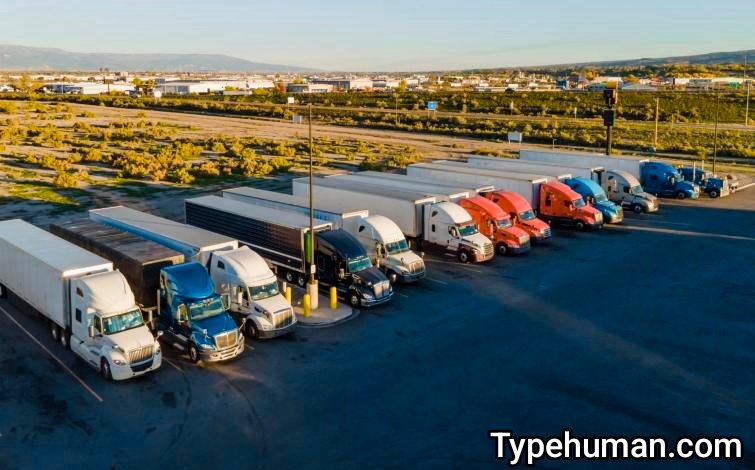
Commercial truck parking is a vital component of the logistics and transportation industry, directly influencing road safety, regulatory compliance, and supply chain efficiency. For truck drivers, fleet operators, and logistics managers, access to secure, well-planned parking facilities is critical to managing driving hours, rest periods, and operational schedules. Inadequate parking infrastructure can lead to illegal roadside stops, driver fatigue, accidents, and costly inefficiencies across the supply chain. Recognizing commercial truck parking as a strategic necessity rather than a peripheral service is essential for businesses that rely on timely and safe freight movement.
With the continuous growth of the freight industry, demand for commercial truck parking has increased significantly. Modern truck parking facilities are no longer simple resting spots; they are integrated hubs that combine safety, convenience, security, and support services. From private commercial lots to public rest areas, the design and management of these facilities directly impact driver satisfaction, fleet productivity, and overall operational reliability.
The Importance of Commercial Truck Parking
Commercial truck parking serves multiple purposes, the most critical of which is ensuring driver safety and compliance with federal hours-of-service regulations. Drivers are legally required to rest after driving for a certain number of hours, and accessible parking allows them to stop safely rather than risk fatigue or violations by continuing to drive. Proper parking infrastructure reduces accidents caused by tired or overextended drivers, ultimately protecting both commercial drivers and the general public.
Additionally, commercial truck parking improves operational efficiency. When drivers can reliably locate parking near freight corridors, distribution centers, and delivery points, logistics schedules become more predictable. This reduces delays caused by searching for legal parking, helps carriers meet deadlines, and improves overall supply chain reliability. The importance of commercial truck parking extends beyond driver comfort to encompass public safety, regulatory compliance, and economic efficiency.
Types of Commercial Truck Parking Facilities
Commercial truck parking comes in several forms, each designed to meet specific operational needs. Public facilities, such as highway rest areas and weigh stations, provide essential short-term parking for regulatory compliance and emergency stops. These facilities are generally maintained by state or federal authorities and are strategically located along major transportation corridors to support long-haul drivers.
Private commercial truck parking includes truck stops, travel centers, and logistics hubs that provide extended parking alongside amenities like fueling stations, repair services, dining options, and showers. Industrial and warehouse facilities often offer on-site commercial truck parking to support staging, loading, and unloading operations. Each type of facility serves a distinct purpose, from regulatory compliance to driver comfort to operational efficiency, and a combination of these options ensures smooth freight movement.
Design Considerations for Commercial Truck Parking
Designing commercial truck parking facilities requires careful attention to vehicle size, maneuverability, and safety. Trucks are large, heavy vehicles with wide turning radii and substantial clearance requirements. Proper spacing, lane width, and turning zones are essential to prevent accidents, damage, and congestion within the facility.
Traffic flow design is also critical, ensuring that trucks can enter, park, and exit without delays or conflicts. Clear signage, pavement markings, and designated pedestrian areas enhance safety, while adequate lighting improves visibility and security during nighttime hours. Well-planned commercial truck parking balances capacity with usability, creating a facility that can handle peak traffic while maintaining safety and efficiency for all users.
Safety and Security Measures
Safety and security are fundamental concerns in commercial truck parking facilities. Many drivers park overnight or leave vehicles unattended for extended periods, making security measures critical. Surveillance cameras, controlled access, fencing, and on-site personnel help deter theft, vandalism, and unauthorized access. Proper lighting and emergency response systems further enhance safety, creating a secure environment for both drivers and cargo.
In addition to crime prevention, safety measures include fire suppression systems, well-maintained pavement, and clear emergency exits. Secure commercial truck parking allows drivers to rest with confidence and reduces liability for facility operators, while also protecting goods in transit from theft or damage.
Amenities and Driver Support
Modern commercial truck parking facilities go beyond providing a place to stop. Amenities such as restrooms, showers, dining areas, and lounge spaces improve driver well-being and job satisfaction. Many facilities also provide maintenance services, tire repair, fueling stations, and electric vehicle charging, ensuring that trucks are operationally ready for the next stage of their route.
Supporting driver well-being is directly linked to operational performance. Well-rested and comfortable drivers are safer, more productive, and less prone to fatigue-related errors. By integrating amenities into commercial truck parking, operators contribute to the overall efficiency and reliability of the logistics network.
Technology in Commercial Truck Parking
Technology is increasingly transforming commercial truck parking. Mobile apps, real-time parking availability systems, and reservation platforms allow drivers to locate and secure parking spaces quickly. These solutions reduce the time spent searching for parking, helping drivers comply with rest regulations and maintain schedules.
Smart parking technologies also provide valuable operational data for facility managers, including peak usage times, duration of stays, and capacity trends. Automated entry, license plate recognition, and digital payment systems further streamline operations while improving security and convenience. Technology enables commercial truck parking facilities to optimize resources, reduce congestion, and enhance driver experience.
Environmental and Sustainability Considerations
Sustainability is becoming a key focus in commercial truck parking. Facilities increasingly implement measures to reduce environmental impact, including idling restrictions, shore power systems, energy-efficient lighting, and stormwater management solutions. Incorporating these elements helps mitigate pollution, improve air quality, and reduce operational costs.
Additionally, durable pavement materials, proper drainage, and green landscaping enhance both environmental performance and facility longevity. Sustainable design aligns with corporate social responsibility goals and promotes long-term operational efficiency for commercial truck parking operators.
Challenges Facing Commercial Truck Parking
Despite its critical importance, commercial truck parking faces ongoing challenges. High demand along freight corridors often exceeds available capacity, forcing drivers to park in unsafe or unauthorized areas. Land availability, development costs, zoning restrictions, and community opposition can make it difficult to expand or construct new facilities.
Traffic congestion, peak demand periods, and inadequate amenities further complicate the experience for drivers. Addressing these challenges requires collaboration between public agencies, private operators, logistics companies, and local communities to create accessible, safe, and sustainable parking infrastructure.
Planning and Policy Considerations
Effective commercial truck parking solutions require strategic planning and supportive policies. Governments and transportation planners must incorporate truck parking needs into highway design, freight corridor development, and industrial zoning. Incentives for private investment, public-private partnerships, and flexible land use policies encourage the construction of new facilities where they are most needed.
Data-driven planning and consistent enforcement help ensure that existing facilities are used efficiently, while innovative policies support long-term growth and safety in the trucking industry. Forward-looking strategies are essential to keep pace with increasing freight volumes and evolving logistics demands.
The Future of Commercial Truck Parking
The future of commercial truck parking will be shaped by technological advancements, changing freight patterns, and evolving regulatory requirements. Real-time parking data, autonomous vehicles, electrification, and integrated logistics hubs are expected to transform how parking is managed and utilized. Facilities that adapt to these trends with technology, sustainable design, and flexible capacity will remain competitive and meet future industry needs.
Investing in forward-thinking commercial truck parking solutions ensures that drivers, carriers, and logistics companies can operate safely, efficiently, and sustainably in a rapidly changing transportation landscape.
Conclusion: The Strategic Role of Commercial Truck Parking
Commercial truck parking is an essential infrastructure component that directly impacts driver safety, regulatory compliance, and supply chain efficiency. Well-designed and managed facilities reduce accidents, prevent illegal parking, and improve operational productivity. Modern commercial truck parking incorporates amenities, technology, and sustainability measures to support drivers and optimize logistics operations.
As the freight industry continues to grow, commercial truck parking will remain a strategic necessity. Investment, planning, and innovation are required to meet increasing demand, ensure driver well-being, and maintain smooth, safe, and efficient transportation networks. Recognizing commercial truck parking as a critical asset ensures long-term success for drivers, fleet operators, and the logistics industry as a whole.
 Qasim Bhai