

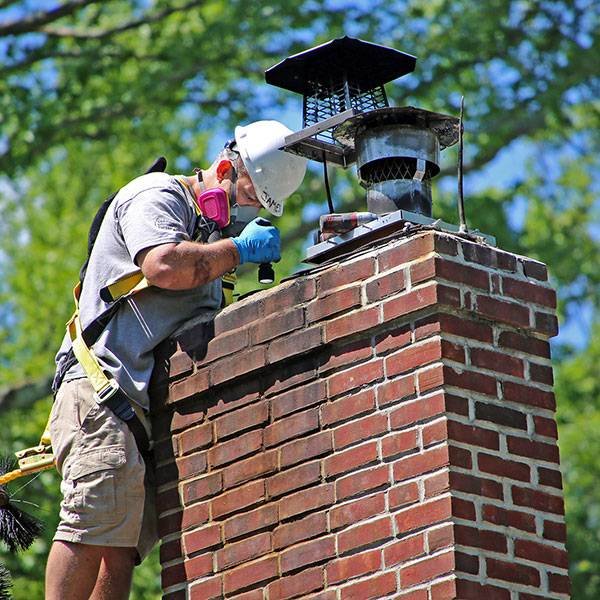
A chimney is one of the most important yet often overlooked components of a home. It quietly manages smoke, heat, and harmful gases, ensuring that fireplaces and heating systems operate safely and efficiently. Over time, however, exposure to heat, moisture, and weather causes wear and damage says Milwaukee Property Management. When issues arise, timely chimney repair becomes essential to protect both the structure of the home and the safety of those living inside.
This comprehensive guide explores the importance of chimney repairs, common problems, repair methods, and why proactive maintenance is a critical part of responsible homeownership.
Why Chimney Condition Matters
A chimney is more than a vertical passage for smoke. It is a carefully designed system that relies on proper airflow, structural stability, and intact materials to function safely. When any part of this system fails, the consequences can range from reduced efficiency to serious safety hazards.
Cracks, blockages, or deteriorated components can allow smoke, moisture, or dangerous gases to enter living spaces. Addressing problems early ensures that the chimney continues to perform its role without compromising comfort or health.
Common Causes of Chimney Damage
Chimneys face constant stress from extreme temperature changes. The heating and cooling cycle causes materials to expand and contract, leading to cracks in masonry and liners. Moisture is another major contributor to damage, as water can seep into small openings and worsen deterioration over time.
Additionally, natural aging, improper construction, and lack of maintenance all play a role. Even chimneys that appear sturdy from the outside may hide internal damage that requires professional attention.
Signs That Chimney Repairs Are Needed
Some chimney issues are obvious, while others remain hidden until they become serious. Visible cracks in bricks or mortar, crumbling masonry, and loose components are clear warning signs. Staining or discoloration on exterior bricks may indicate moisture intrusion.
Inside the home, difficulty starting or maintaining fires, unusual odors, or smoke backing up into rooms can all point to chimney problems. These symptoms should never be ignored, as they often signal the need for immediate chimney repair.
Structural Issues and Masonry Damage
Masonry chimneys rely on strong bricks and mortar joints to maintain stability. Over time, mortar can erode, allowing bricks to loosen or shift. This not only weakens the structure but also increases the risk of collapse in severe cases.
Repairing masonry damage involves restoring mortar joints, replacing damaged bricks, and reinforcing weakened areas. Addressing these issues promptly prevents further deterioration and protects the overall structure of the chimney.
Chimney Liner Problems
The chimney liner is a critical internal component that protects the chimney walls and ensures safe venting of combustion gases. Liners can crack, corrode, or deteriorate due to heat and chemical exposure.
A damaged liner reduces efficiency and increases fire risk. Repair or replacement of the liner restores proper airflow and protects the chimney from internal damage caused by heat and acidic byproducts.
Moisture-Related Damage and Its Effects
Water is one of the most destructive elements for chimneys. When moisture enters through cracks or damaged flashing, it can cause rust, mold growth, and internal decay. Freeze-thaw cycles worsen the problem, as trapped water expands and creates larger cracks.
Effective chimney repairs often focus on moisture prevention. Sealing cracks, repairing flashing, and addressing crown damage help keep water out and extend the life of the chimney.
Chimney Crown and Cap Repairs
The chimney crown sits at the top of the structure and serves as a protective barrier against rain and debris. When cracked or damaged, it allows water to penetrate the chimney.
Similarly, chimney caps prevent animals, leaves, and debris from entering the flue. Repairing or replacing these components is a vital part of maintaining a functional chimney system and preventing unnecessary blockages.
Impact on Heating Efficiency
A damaged chimney can significantly affect heating efficiency. Poor draft caused by blockages or structural issues forces heating appliances to work harder, increasing energy consumption.
Proper repairs restore airflow and ensure that smoke and gases are vented efficiently. This not only improves performance but also contributes to lower heating costs over time.
Health and Safety Considerations
Chimney problems are closely tied to indoor air quality and safety. Blocked or damaged chimneys can allow carbon monoxide to enter living spaces, posing serious health risks.
Routine inspections and timely chimney repairs reduce the risk of exposure to harmful gases and help maintain a healthy indoor environment. This is especially important for households with children, older adults, or individuals with respiratory sensitivities.
Preventing Fire Hazards
One of the most serious risks associated with chimney damage is fire. Cracks, creosote buildup, and damaged liners all increase the likelihood of chimney fires. These fires can spread quickly and cause extensive damage.
Repairing damaged components and maintaining a clean, functional chimney dramatically reduces fire risk and provides peace of mind during heating seasons.
Professional Repair vs. Temporary Fixes
Some homeowners attempt temporary fixes when chimney issues arise. While small cosmetic repairs may seem effective, they often fail to address underlying problems.
Professional chimney repair focuses on identifying the root cause of damage and implementing long-lasting solutions. This approach prevents recurring issues and ensures that repairs meet safety standards.
Cost Considerations and Long-Term Value
While chimney repairs involve an upfront investment, they are far less costly than addressing major structural failures or fire damage. Regular maintenance and timely repairs protect property value and reduce the risk of expensive emergency situations.
Viewing chimney repair as a preventive measure rather than a reactive expense helps homeowners make informed decisions about maintenance priorities.
The Importance of Regular Inspections
Inspections play a crucial role in identifying chimney problems early. Trained professionals can detect hidden issues that may not be visible to the untrained eye.
Regular inspections, combined with prompt repairs, create a proactive maintenance strategy that keeps chimneys safe and functional year after year.
Extending the Life of Your Chimney
Proper care and repair significantly extend the lifespan of a chimney. Addressing minor issues early prevents them from escalating into major structural problems.
A well-maintained chimney can last for decades, providing reliable performance and maintaining its appearance with minimal disruption.
Environmental Responsibility and Efficiency
Efficient chimneys support cleaner burning and reduced emissions. When repairs restore proper airflow and combustion efficiency, they contribute to more responsible energy use.
Maintaining existing structures through repair also reduces the need for new materials, supporting sustainable home maintenance practices.
Building a Long-Term Maintenance Plan
Chimney care should be part of a broader home maintenance plan. Scheduling regular inspections, cleaning, and repairs ensures that problems are addressed at the right time.
Incorporating chimney repair into long-term planning reduces stress, enhances safety, and ensures consistent performance across all heating seasons.
Final Thoughts
Chimneys play a vital role in home safety and comfort, yet they are often overlooked until problems arise. Damage caused by heat, moisture, and time can compromise performance and create serious hazards if left unaddressed. Timely repairs restore structural integrity, improve efficiency, and protect indoor air quality.
By prioritizing professional chimney maintenance and chimney repair in Queens home owners invest in long-term safety, efficiency, and peace of mind. A well-maintained chimney not only supports reliable heating but also contributes to a healthier, more secure living environment for years to come.
 Qasim Bhai