

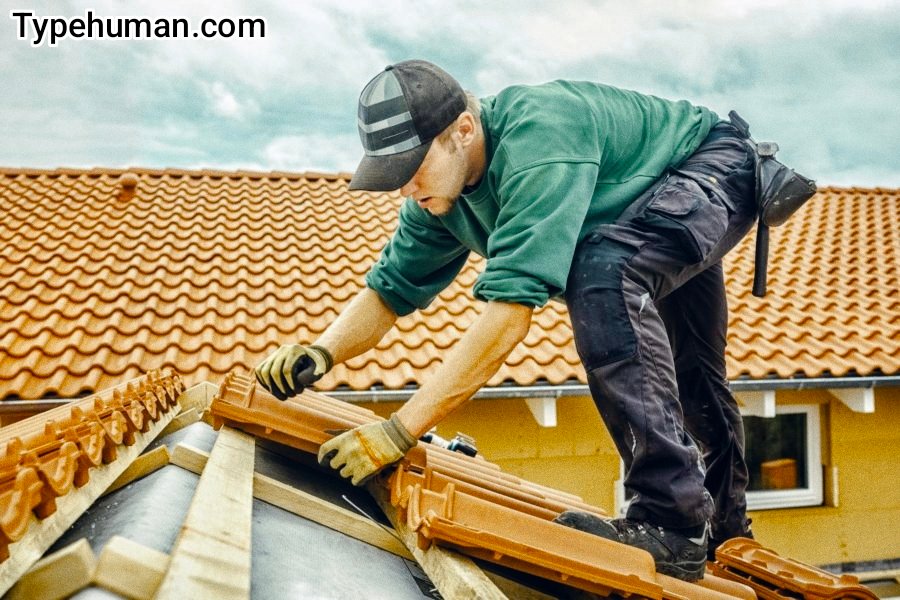
The roof is one of the most critical components of any home, acting as a barrier against harsh weather, maintaining structural integrity, and ensuring comfort and safety for occupants. Despite its importance, roofs are often overlooked until damage becomes visible or severe. Understanding roof repair, its methods, maintenance strategies, and early warning signs is essential for homeowners who want to protect their property, prevent costly damage, and extend the lifespan of their roof. Roofing systems endure constant exposure to natural elements such as rain, snow, wind, and UV rays, as well as occasional human or structural impacts, all of which can gradually deteriorate their performance. Identifying problems early and knowing the right repair methods are crucial to avoiding larger, more expensive issues.
Understanding Roof Damage
Roof damage can occur due to a variety of reasons, ranging from natural weather events to structural problems and neglect. Among the most common causes is weather-related damage, including heavy storms, hail, wind, and prolonged rain. These conditions can crack, curl, or dislodge shingles, exposing the roof’s underlying layers to water infiltration. Ice dams in colder climates can prevent proper drainage, leading to water buildup and leaks. Over time, repeated exposure to these elements accelerates deterioration. Age is another major factor affecting roofing systems. Materials such as asphalt shingles usually last between 20 and 25 years, while metal or tile roofs can endure decades longer. As roofing materials age, their flexibility and ability to repel water decrease, making them more susceptible to damage from even minor environmental stressors. Structural issues, including sagging, uneven roof decks, or foundation shifts, can also compromise roof integrity. Improper installation or prolonged exposure to moisture may contribute to these problems. Lastly, lack of maintenance, such as failure to clean gutters, remove debris, or inspect the roof regularly, can exacerbate damage and increase repair needs over time.
Signs That Your Roof Needs Repair
Early detection is critical to preventing extensive damage and higher repair costs. Homeowners should be aware of common indicators of roof damage, including visible leaks inside the home, water stains on ceilings or walls, missing or cracked shingles, sagging areas, and the presence of granules in gutters. Moss or algae growth may also signal moisture retention that can deteriorate shingles. More serious signs include daylight visible through the attic roof boards, bulging or uneven surfaces, and extensive damage to flashing or vent seals. Recognizing these symptoms early allows homeowners to address problems before they escalate into full-scale repairs or replacement, preserving both the roof’s lifespan and the home’s structural integrity.
Common Types of Roof Repair
The method of repair depends on the type and extent of the damage as well as the roofing material. One of the most frequently required repairs is shingle replacement, where individual damaged or missing shingles are replaced to restore the roof’s protective layer. Roof patching addresses localized leaks or holes by sealing the affected area with roofing cement or membrane. Flashing repair is particularly important around chimneys, vents, and skylights, as damaged flashing is a common source of water intrusion. For flat or low-slope roofs, applying roof sealant can provide an effective solution for small cracks and leaks. Additionally, maintaining gutters and downspouts ensures proper drainage, preventing water backup that can indirectly damage roofing materials. Each type of repair varies in complexity and cost, and understanding the appropriate method for a specific situation is essential for long-lasting results.
The Roof Repair Process
Effective roof repair follows a systematic approach. The first step is a comprehensive inspection of the roof, including shingles, flashing, gutters, attic ventilation, and structural components. Accurate inspection helps identify the source of leaks or damage, even when the visible signs appear elsewhere. Next, professionals or homeowners assess the severity of the damage. Minor issues may require localized repairs, while extensive deterioration could necessitate multiple repairs or preparation for full roof replacement. Selecting appropriate materials is another critical step; matching shingles, sealants, or flashing ensures the repair blends aesthetically and maintains the roof’s functionality. The repair work itself involves careful execution following industry standards, whether replacing shingles, sealing leaks, or repairing flashing. Finally, a cleanup and inspection process ensures debris is removed and the repaired areas function correctly, confirming the repair’s effectiveness and durability.
DIY vs. Professional Roof Repair
While some minor roof repairs can be managed by experienced homeowners, such as replacing a few shingles or applying patching, many repairs require professional expertise. Professionals bring the advantages of safety, knowledge, proper tools, and access to high-quality materials. Additionally, professional repairs often include warranties that guarantee long-term durability. DIY repairs, although cost-saving in the short term, can sometimes lead to recurring issues or even more significant damage if done incorrectly. Homeowners should carefully evaluate the complexity of the repair, their skill level, and safety considerations before attempting a DIY approach. For anything beyond minor repairs, hiring a professional is generally the safer and more effective choice.
Roof Maintenance Tips to Minimize Repairs
Preventive maintenance significantly reduces the frequency and cost of roof repairs. Regular inspections twice a year—typically in the spring and fall—allow homeowners to identify minor problems before they worsen. Cleaning gutters and downspouts ensures proper water drainage and prevents pooling that can damage roofing materials. Trimming overhanging tree branches reduces debris accumulation and protects shingles from physical damage. Moss, algae, or lichen growth should be addressed carefully to avoid water retention and decay. Addressing minor issues promptly, such as small leaks or damaged flashing, can prevent extensive repairs later. Consistent maintenance not only extends roof life but also preserves energy efficiency and structural safety.
Costs Associated with Roof Repair
Repair costs vary depending on the roofing material, the extent of damage, labor charges, and additional work required for structural reinforcement. Minor repairs like shingle replacement or leak patching may cost a few hundred dollars, whereas extensive repairs involving multiple roof sections or structural damage can run into thousands. Factors such as roof accessibility, pitch, and the cost of high-quality materials also affect overall pricing. Understanding these cost components allows homeowners to budget effectively and make informed decisions about repair versus replacement.
When Roof Replacement Is a Better Option
While repairs are often sufficient, there are situations where replacement is the more practical and cost-effective solution. Full roof replacement becomes necessary when damage is widespread, the roof has exceeded its expected lifespan, multiple leaks persist despite prior repairs, structural integrity is compromised, or initial installation was poor. In such cases, replacement provides long-term durability, eliminates recurring issues, and improves energy efficiency. Professional assessment is crucial to determine whether repairs or replacement is the most suitable approach for the home’s specific needs.
Benefits of Timely Roof Repair
Addressing roof issues promptly offers several advantages. Repairs prevent water infiltration, mold growth, and structural deterioration, thereby protecting the home and its occupants. Timely repair maintains property value by preserving the roof’s appearance and functionality. Early intervention also saves money by avoiding costly emergency repairs or full replacements. Moreover, properly repaired roofs enhance energy efficiency by sealing leaks and preventing heat loss, while ensuring the safety of the home’s residents. Investing in regular maintenance and timely repair is a proactive approach that safeguards both financial and structural interests.
Conclusion
Roof repair is a fundamental aspect of homeownership, with far-reaching implications for safety, comfort, and property value. Recognizing signs of damage, understanding available repair methods, and performing regular maintenance ensures the roof continues to perform its vital protective function. Whether handling minor repairs independently or hiring professionals for more complex issues, timely action is essential to prevent deterioration and costly replacements. A well-maintained roof extends the lifespan of the home, maintains structural integrity, and safeguards occupants from the elements. Prioritizing roof repair is an investment in long-term security, efficiency, and peace of mind, ensuring that one of the most critical components of the home remains reliable and functional for years to come.