

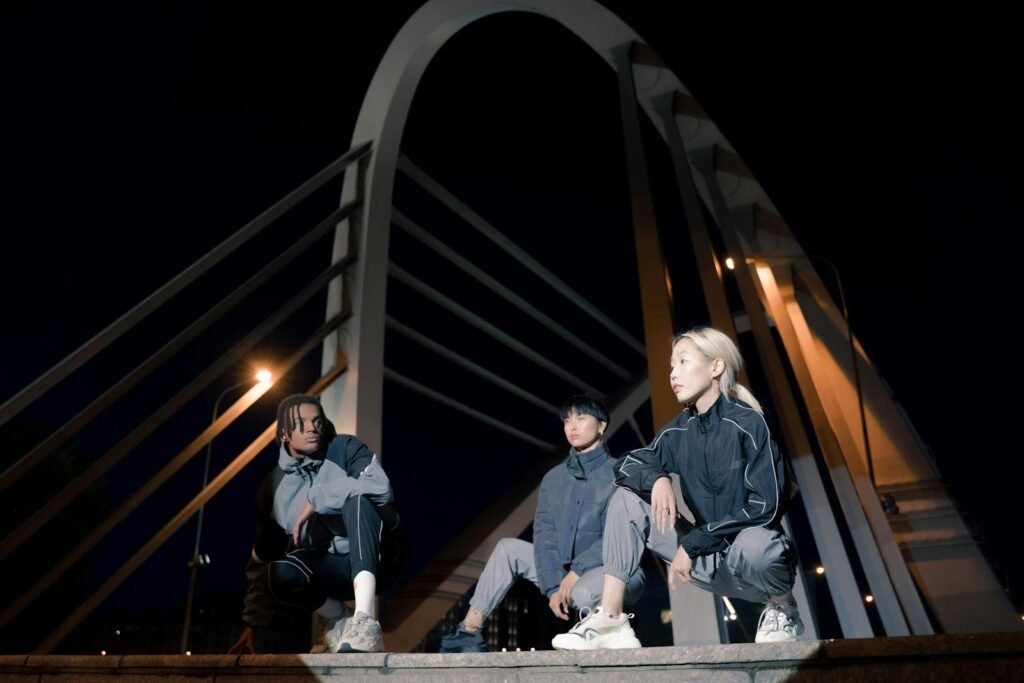
In 2026, the fashion clothing brands are entering into a defining stage. Streetwear, which was viewed as a casual or better said niche, has become a powerful element that shapes the global fashion culture. The modern street wear is unique in its relation to technology, digital living and expression of self boldly. Clothing brands no longer create clothes based on their appearance alone, but they create them based on identity, functionality, and urban living in the present day.
This transformation is compelling fashion brands to review their concepts of creativity, branding, and collection construction on a new generation of consumers who demand something original and meaningful in what they wear.
The New Direction of Streetwear Fashion
Streetwear has developed much beyond the simple shapes. In 2026, structured outerwear, layered fits, experimental cuts, and technical detailing are among the fashion clothing brands that explore the new avenue. Such changes indicate the way customers currently wear fashion as a way of expressing themselves as opposed to a trend.
Designers are combining the cozy with bold-produced designs, making clothes that maintain functionality in real life and at the same time do not lose their uniqueness. The balance enables brands to attract long time streetwear enthusiasts as well as other individuals interested in modern outfits.
Why Futuristic Design Appeals to Modern Consumers
The current generation of customers exists in a digitally forwarded world that has been dominated by technology, computer initiated games, as well as online communities. These realities are manifested through fashion. Futurist design attributes i.e. sharp tailoring, utility, and high color contrast resonate with those whose style of dressing is a reflection of their lifestyle.
This design language doesn’t involve only the consumption of fashion dresses, but also the expression of innovation and relatability. The visionary fashion is beneficial to the brands in terms of social media, online stores, and global street fashion.
Cultural Influence on Modern Streetwear
Streetwear is still being influenced by urban culture. The visual language of modern fashion comes with music, art, night life and cyberspace. Intense impact is one of neo-tokyo cyberpunk street fashion that embraces layering, technical detailing, and silhouette expression.
Fashion clothing brands do not imitate the extreme images but will redefine these influences into clothing. Micro pastoral details, including functionality straps, oversizing and graphic accents enable brands to maintain a level of creativity that still makes them practical.
Fabric Innovation and Construction Techniques
Textiles are contributing significantly to the revolution of street wear. Closing the lasting line, the investment in lightweight, durable, and performance based clothing in 2026 that facilitates movement and comfort is underway. Textiles that are resistant to the weather, breathable man-made fabrics, as well as recycled combinations, are becoming part of daily collections.
The mode of construction is also changing. Adjustable fittings, removable parts, and multi-layered clothes ensure that the wearers can dress the clothes differently. This flexibility adds value to clothing and promotes durability.
Building a Strong Clothing Brand Identity
A strong brand name is a necessity when in the dense fashion market. Established successful clothes branding firms effectively articulate their identity in the kind of design, presence of their logo, use of colors, and visuals of the campaigns. Streetwear consumers will particularly be faithful to brands which are true to themselves, culturally conscious.
The fashion clothes brands in 2026 are based on story telling. All the collections are created to represent an idea or a tone as opposed to the seasonal trends. This strategy assists brands in building emotional bonds amongst the listeners.
Drop Culture and Limited Collections
Low release runs are still a hallmark of the success of street wear. Dresses Clothing brands tend to use small-drop collections to generate demand and exclusivity. This plan allows collections to be kept new and in the event of oversaturation.
Streetwear items with an attitude to the future are particularly successful in a limited format since they are collectible and unique. Brands that are more original tend to attract the attention of the consumers as compared to those that generate designs in large numbers.
The Role of Digital Platforms in Brand Growth
The fashion clothing brands rely mostly on digital platforms as its major source of growth. Social media, short-video and visual storytelling enable a brand to communicate with its audience directly. In the year 2026, graphics are as significant as the quality of the products.
Digital lookbooks, video campaigns, and interactive information are all used by streetwear brands to demonstrate the details of their design. This strategy creates brand awareness and motivates direct-to-consumer sales without using the traditional retail with so much force.
Sustainability in Streetwear Fashion
Consumers have had their demands shift towards sustainability. Fashion clothing industries are now being responsible with environment-friendly practices being adopted, including ethical manufacturing, recycled materials, and minimized waste production.
Sustainable streetwear brands that do not sacrifice style but rather embark on bold design will be believed in over time. By 2026, responsibility is not a choice anymore but a component of the brand credibility.
Challenges Facing Clothing Brands
Streetwear is also a competitive arena even though it is popular. Quick cycles of trends, increased cost of production and the necessity to be unique pose a continuous challenge. Brands using over-design or going too fast may run out of focus.
Thriving apparel companies are able to cope with them by creating meaningful core collections and thinking effectively on new concepts. This will be able to safeguard brand identity and facilitate creative development.
The Future of Fashion Clothing Brands
Going forward, the fashion clothing brands will still continue to change as the culture and technology changes. Streetwear will continue to be the place of creativity, innovation and identity. The next stage of fashion will be covered by brands that remain flexible and pay attention to their audience.
Conclusion
In the year 2026, the fashion clothing companies are reinventing streetwear by designing carefully, using new materials, and having a robust brand. The street wear has been transformed to be more expressive and strategic than any other time influenced by the modern urban culture and digital lifestyles. Fashion is taking a new shape with brands that are creative and wearable at the same time.