

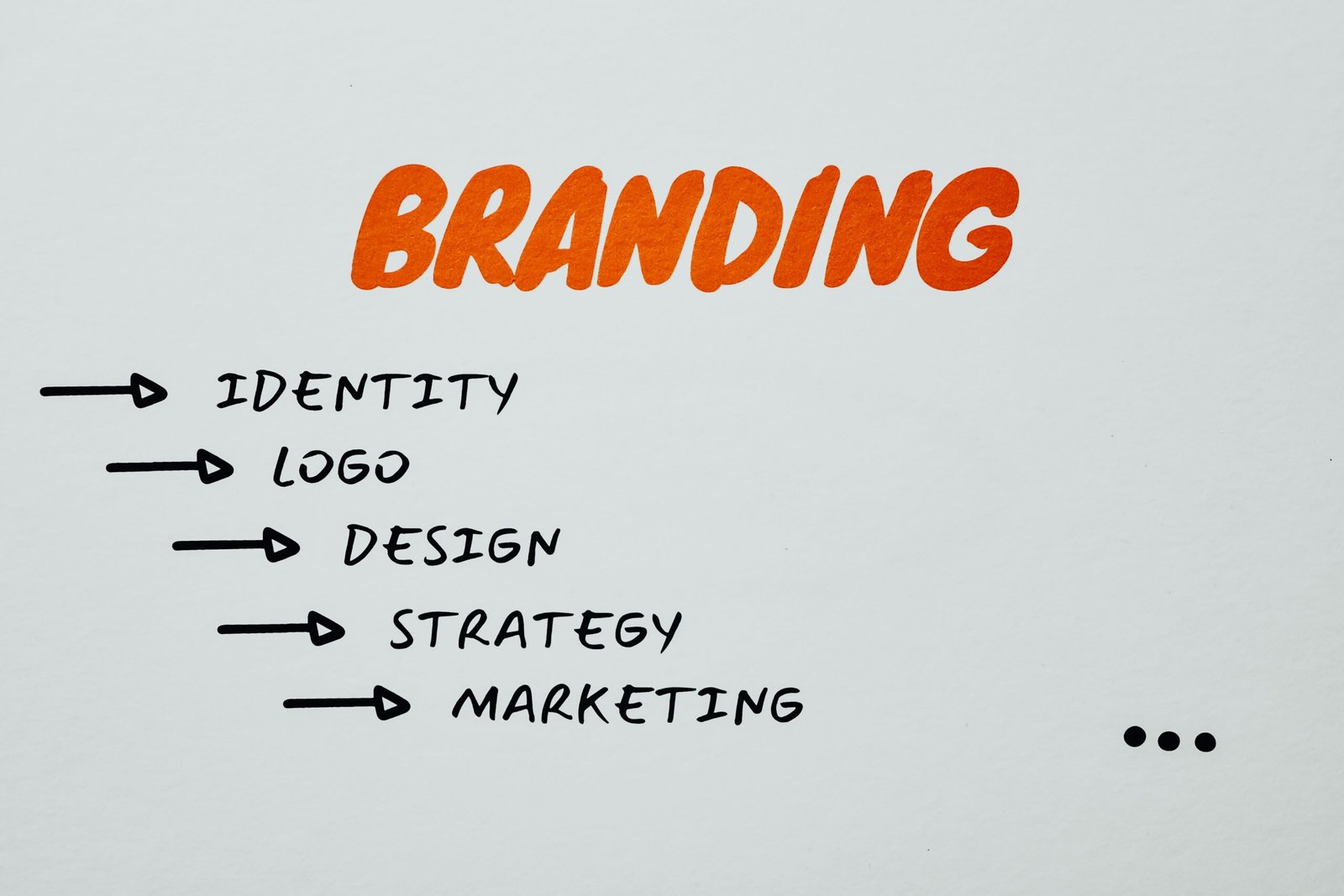
In a crowded marketplace, a memorable brand identity is the difference between a potential customer scrolling past or stopping to buy. Many business owners mistake brand identity for just a stylish logo or a catchy slogan. In reality, your brand identity is the emotional and visual gut-feeling people experience whenever they interact with your business. It encompasses your values, visual design, communication tone, and the real-world experiences you deliver.
Building a strong brand identity does not require a massive agency budget. By focusing on clarity, consistency, and creative touchpoints, you can craft an unforgettable brand personality that attracts loyal customers. Here are seven simple, highly effective ideas to strengthen your brand identity starting today.
1. Define Your Core Purpose Beyond Profit
Quick Summary: A strong brand identity starts with a clear purpose—why your business exists beyond making money, and the core values that guide your decisions.
Before choosing color palettes or tagline fonts, you must understand your brand’s underlying reason for being. Customers today do not just buy products; they buy into beliefs. When your company stands for something concrete, you build an emotional bond that competitors cannot easily duplicate.
To establish this foundation, clarify the specific problem you solve and how you want customers to feel when dealing with your team. Define three to five core values that dictate how you treat clients, design products, and resolve mistakes. This internal clarity serves as the anchor for your entire brand messaging strategy.
2. Create a Cohesive Visual Identity System
Quick Summary: A visual identity system extends beyond a logo to include typography, color palettes, imagery rules, and design elements used consistently across all media.
Consistency breeds immediate recognition. If your Instagram feed looks sleek and minimalist, but your website appears cluttered and chaotic, potential buyers experience brand confusion. A cohesive visual identity signals reliability and attention to detail.
Instead of designing marketing materials on the fly, assemble a simple brand style guide. Establish guidelines for:
- Primary and Secondary Logos: Rules on sizing, spacing, and placement.
- Color Palette: A set of 3 to 5 primary and accent colors with exact hex codes.
- Typography: Selected header and body fonts that reflect your tone.
- Imagery Guidelines: Consistent photography styles, filters, or illustration types.
Applying these rules across your website, social posts, and email newsletters creates a polished, recognizable presence.
3. Leverage Physical Touchpoints and Branded Merchandise
Quick Summary: Tangible items like custom packaging, merch, and physical signage turn passive customers into active brand advocates.
Digital marketing is essential, but physical items create lasting sensory impressions that screens simply cannot match. Tangible touchpoints give your brand weight and real-world personality.
For local businesses, pop-up concepts, or community-driven companies, wearing your brand pride is one of the easiest ways to boost recognition. Utilizing high-quality custom clothing printing in Hawaii allows businesses to produce vibrant t-shirts, uniforms, and promotional gear that showcase their unique aesthetic. When employees wear branded apparel or loyal customers rock custom merch, they become walking ambassadors for your business. Elevating your physical brand touchpoints bridges the gap between digital interaction and real-world connection.
4. Establish a Distinctive Brand Voice and Tone
Quick Summary: Brand voice is the consistent personality behind your written and spoken words, while tone adapts appropriately to different contexts.
How does your brand sound when it communicates? Is it humorous and casual, or authoritative and formal? A distinct voice transforms a corporate entity into a relatable personality.
To define your voice, create a simple framework using “We are / We are not” statements:
- We are knowledgeable, but not academic.
- We are friendly, but not overly familiar.
- We are bold, but not aggressive.
Use this framework across blog articles, social media captions, and customer service templates to ensure your communication remains consistent regardless of who is writing.
5. Share an Authentic Brand Story
Quick Summary: Brand storytelling bridges the gap between cold transactions and genuine human connection by highlighting your origin, challenges, and mission.
People remember stories far longer than they remember product feature lists. Your brand story should highlight why you started, the challenges you faced along the way, and the mission driving your work today.
Integrate storytelling across your platform:
- Highlight the people and craftsmanship behind your products on social media.
- Craft an “About Us” page that focuses on customer impact rather than corporate history.
- Share behind-the-scenes content that shows how your business operates day-to-day.
Authenticity builds trust, and trust forms the foundation of long-term brand equity.
6. Audit and Unify Every Customer Interaction
Quick Summary: A brand audit reviews every customer touchpoint—from receipts to support chats—to eliminate friction and brand inconsistencies.
A common oversight is maintaining an attractive front-end marketing strategy while neglecting post-purchase touchpoints. If your homepage is beautiful but your order confirmation emails look plain and robotic, the brand experience breaks down.
Walk through your entire customer journey as an outsider. Review your invoices, email signatures, packaging inserts, customer service responses, and social media bios. Aligning these minor touchpoints reinforces your commitment to quality at every step.
7. Empower Your Team as Brand Champions
Quick Summary: Internal brand alignment ensures employees understand, embody, and deliver your brand values during every customer interaction.
Your employees represent your brand in real time. If your staff is unfamiliar with your brand values or customer service standards, your external image will falter during real-world customer interactions.
Share your brand guidelines with your entire team, explain the vision behind your business, and empower staff to make decisions that reflect company values. When employees feel connected to the brand mission, their enthusiasm naturally transfers to your customers.
Common Myths vs. Realities of Brand Identity
| Brand Identity Myth | Reality |
| “A brand identity is just a logo and color scheme.” | Identity encompasses values, messaging, tone, customer service, and overall experience. |
| “Building a strong brand requires a massive budget.” | Consistency, authenticity, and clear messaging matter far more than big spending. |
| “You should follow current design trends to stay relevant.” | Chasing short-term trends dilutes brand recognition; timeless consistency builds lasting equity. |
Quick Brand Identity Checklist
Use this quick checklist to evaluate your current brand strength:
- [ ] Do you have a documented brand purpose and set of core values?
- [ ] Is your logo, font, and color scheme applied consistently across all channels?
- [ ] Does your written content follow a defined voice and tone?
- [ ] Are physical touchpoints (merch, packaging, signage) reflecting your brand quality?
- [ ] Is your team trained to represent brand values during customer interactions?
Building a Brand That Endures
Building a strong brand identity is an ongoing process of refinement rather than a one-time project. By defining your core purpose, maintaining visual and verbal consistency, investing in quality physical touchpoints, and aligning your internal team, you establish a memorable presence that resonates with your ideal audience. Focus on delivering genuine value at every touchpoint, and your brand identity will naturally grow stronger over time.
 Shaban Ch
  prime star