

Introduction
Sexual health is an important part of overall well-being, but it is often ignored due to lack of awareness or hesitation. An STD test is a simple and effective way to detect infections early and prevent serious health complications. These infections are medically known as Sexually Transmitted Infections, and they can affect anyone who is sexually active.
One of the biggest challenges with STDs is that many infections do not show symptoms in the early stages. This means a person may unknowingly spread the infection to others. Regular testing helps in early detection, proper treatment, and prevention. In this article, we will discuss the types of STD tests, symptoms, when to get tested, and the role of IV drip therapy in supporting recovery.
Types of STD Tests
Different STDs require different testing methods depending on the infection and symptoms. The most common types of STD tests include:
1. Blood Tests
Blood tests are widely used to detect infections that affect the bloodstream. These include:
- HIV
- Syphilis
- Hepatitis B
These tests detect antibodies or antigens in the blood and are highly reliable.
2. Urine Tests
Urine tests are simple, quick, and non-invasive. They are commonly used for:
- Chlamydia
- Gonorrhea
They are often recommended as part of routine screening for sexually active individuals.
3. Swab Tests
Swab tests involve collecting samples from the affected area such as the genitals, throat, or rectum. These are useful for detecting:
- Human Papillomavirus
- Genital Herpes
These tests are especially helpful when visible symptoms are present.
4. Rapid Tests
Rapid STD tests provide quick results, often within 15–30 minutes. They are commonly used for HIV screening and are helpful when immediate results are needed.
Common STD Symptoms
Many STDs are known as “silent infections” because they may not show symptoms initially. However, some common warning signs include:
- Burning sensation during urination
- Unusual discharge from genitals
- Sores, blisters, or rashes
- Itching or irritation in the genital area
- Pain during sexual activity
If you notice any of these symptoms, it is important to get tested without delay.
When Should You Get an STD Test?
Knowing when to get tested is essential for maintaining good sexual health. You should consider STD testing in the following situations:
- After unprotected sex
- If you have multiple sexual partners
- Before entering a new relationship
- If you experience any symptoms
- During pregnancy to prevent complications
- As part of regular health checkups
Even if you feel healthy, regular testing is recommended because many infections do not show early signs.
What is IV Drip Therapy Treatment?
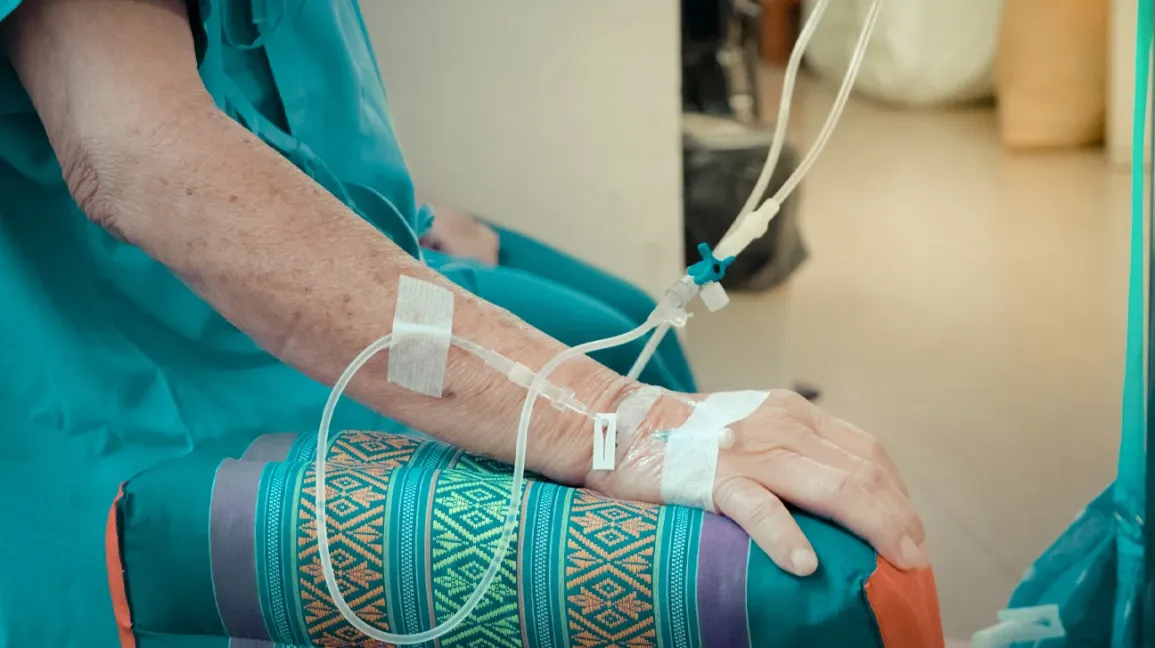
IV Drip Therapy is a treatment in which fluids, vitamins, minerals, and medications are delivered directly into the bloodstream through an intravenous (IV) line. This method allows faster and more effective absorption compared to oral medications.
In recent years, IV therapy has become popular not only in hospitals but also in wellness clinics for improving energy levels, hydration, and overall health.
Benefits of IV Drip Therapy in STD Recovery
While IV therapy is not a primary treatment for STDs, it can play a supportive role in recovery:
1. Boosts Immunity
IV drips often include essential nutrients such as Vitamin C and B-complex, which help strengthen the immune system and support the body in fighting infections.
2. Faster Recovery
STD infections can make a person feel weak and fatigued. IV therapy helps restore energy levels and improves overall recovery.
3. Hydration Support
Proper hydration is essential for healing. IV fluids help maintain fluid balance and improve overall body function.
4. Medical Use in Severe Cases
In serious infections like advanced HIV, IV medications may be required under medical supervision in hospitals.
Important Note
It is important to understand that IV drip therapy does not cure STDs. The main treatments include:
- Antibiotics for bacterial infections such as gonorrhea and syphilis
- Antiviral medications for viral infections such as HIV and herpes
Always consult a qualified healthcare professional for proper diagnosis and treatment.
Conclusion
STD testing is a crucial step in maintaining good health and preventing the spread of infections. Early detection ensures timely treatment and reduces the risk of complications. Although IV drip therapy can support recovery by improving hydration and boosting immunity, it should only be used as a complementary treatment.
Taking responsibility for your sexual health is not only important for you but also for your partner. Regular testing, awareness, and proper medical care are the keys to a healthy and safe life.
 Shaban Ch