

Maintaining a functional plumbing system is essential for the comfort, safety, and value of any property. Hidden blockages, pipe damage, and slow drainage can escalate into major problems if left unaddressed. Drain scoping is a modern diagnostic technique that allows plumbers and homeowners to assess the condition of pipes, identify issues, and plan repairs without unnecessary excavation. Using specialized cameras and equipment, drain scoping provides a clear view of the interior of plumbing systems, ensuring accurate diagnoses and efficient solutions. Understanding the process, benefits, applications, and maintenance practices associated with drain scoping can help homeowners and property managers prevent costly repairs, maintain proper drainage, and extend the lifespan of their plumbing infrastructure.
What Is Drain Scoping?
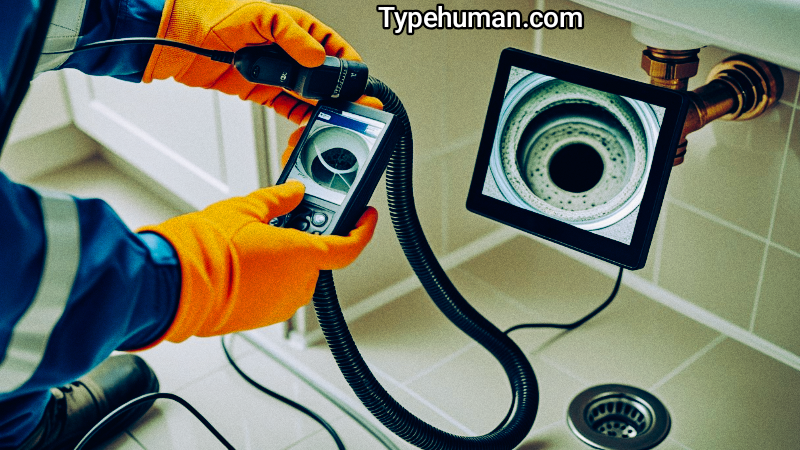
Drain scoping is a method of inspecting the interior of plumbing pipes using specialized cameras that capture video footage in real time. These cameras are mounted on flexible cables that can navigate through pipes of various sizes and configurations. The footage is displayed on monitors, allowing plumbers to identify clogs, cracks, tree root intrusion, corrosion, misaligned joints, or other issues that may not be visible from the surface. Unlike traditional methods, which often require invasive excavation or guesswork, drain scoping provides a non-invasive, precise approach to diagnosing plumbing problems.
The technology used in drain scoping has advanced significantly over the years. Modern systems offer high-definition cameras, pan-and-tilt functionality, and LED lighting that illuminates the interior of pipes. Some systems include measurement markers to estimate the size of blockages or the extent of damage. This level of detail allows plumbers to recommend targeted repairs or preventative maintenance, improving efficiency and reducing unnecessary labor and disruption.
The Importance of Drain Scoping
Drain scoping is a vital tool for maintaining plumbing systems, particularly in older homes or properties with complex pipe networks. Over time, pipes can accumulate debris, grease, hair, mineral deposits, or tree roots, which impede water flow and increase the risk of backups. Early detection through drain scoping allows property owners to address these issues before they escalate into major problems such as flooding, sewer overflows, or structural damage.
In addition to preventing emergencies, drain scoping provides valuable insight into the overall condition of a plumbing system. For example, corrosion or cracks in pipes may indicate the need for replacement, while minor blockages can often be cleared with simple maintenance. For commercial properties, drain scoping ensures compliance with health and safety standards by preventing wastewater contamination and reducing liability associated with plumbing failures.
Common Applications of Drain Scoping
Drain scoping is used in a variety of situations, ranging from routine inspections to emergency problem-solving. Some common applications include:
Identifying Clogs and Blockages
Slow drains, recurring backups, and foul odors are often caused by clogs in pipes. Drain scoping allows plumbers to pinpoint the exact location and nature of the blockage, whether it is grease buildup, hair, foreign objects, or sediment. Accurate identification enables targeted removal using minimal invasive methods, saving time and reducing repair costs.
Detecting Pipe Damage
Pipes can crack, corrode, or shift over time due to age, soil movement, or external pressure. Drain scoping provides a clear view of structural integrity, allowing plumbers to assess whether repairs, relining, or full pipe replacement is necessary. Detecting damage early prevents leaks, flooding, and water damage to walls, floors, and foundations.
Inspecting Tree Root Intrusion
Tree roots are a common source of sewer line damage. Roots can penetrate small cracks or joints, causing blockages, leaks, and structural weakening. Drain scoping identifies the presence and extent of root intrusion, enabling targeted removal and preventative solutions such as root barriers or pipe relining.
Pre-Purchase or Pre-Sale Inspections
Homebuyers and sellers often use drain scoping as part of property inspections. Evaluating the condition of plumbing systems helps buyers make informed decisions and gives sellers documentation of system integrity. Identifying potential issues before a transaction prevents unexpected repair costs and facilitates smoother real estate transactions.
Routine Preventive Maintenance
Regular drain scoping as part of a maintenance program allows property owners to monitor pipe health, clear minor blockages, and prevent the accumulation of debris. Scheduled inspections reduce the risk of sudden backups, extend the lifespan of pipes, and enhance the overall reliability of the plumbing system.
The Drain Scoping Process
Drain scoping involves several steps that ensure accurate and efficient inspection. The process typically begins with a preliminary assessment, where the plumber evaluates the symptoms reported by the homeowner, such as slow drainage, unusual noises, or foul odors.
Next, a flexible camera system is inserted into the pipe, often through a cleanout or vent opening. The camera navigates the length of the pipe while capturing high-resolution video footage. Plumbers observe the footage in real time, noting any blockages, damage, or irregularities. Some systems include features that allow for measuring distances and identifying pipe diameters or bends, providing additional information for planning repairs.
Once the inspection is complete, the plumber provides a detailed report that includes video footage, images, and recommended actions. Depending on the findings, solutions may involve clearing clogs, relining pipes, replacing damaged sections, or installing preventative measures. Because drain scoping is non-invasive, repairs are often more precise, less disruptive, and more cost-effective than traditional exploratory methods.
Benefits of Professional Drain Scoping
Professional drain scoping offers multiple advantages over traditional inspection methods or DIY approaches. The primary benefit is accuracy. Using specialized cameras, trained plumbers can identify the exact location and nature of problems, reducing guesswork and unnecessary excavation. This precision minimizes labor costs and prevents damage to landscaping, flooring, or walls.
Another key benefit is early detection. Many plumbing problems, such as minor cracks or slow root intrusion, are difficult to identify without visual inspection. Drain scoping allows these issues to be detected before they escalate into costly emergencies, improving the overall reliability of the plumbing system.
Drain scoping also enhances safety and compliance. Professional plumbers are trained to handle sewer lines and drainage systems safely, preventing exposure to contaminants and ensuring adherence to local plumbing codes. By investing in professional drain scoping, homeowners protect both their property and their health while avoiding costly mistakes associated with untrained attempts to inspect pipes.
Common Mistakes to Avoid in Drain Scoping
While drain scoping is highly effective, homeowners should avoid attempting DIY inspections without proper equipment and training. Using household cameras or improvised tools may not reach the depth or provide the clarity needed to identify issues accurately. Misinterpreting footage or failing to detect subtle damage can lead to incomplete repairs and future problems.
Another common mistake is delaying drain scoping until a major problem occurs. Waiting for complete backups or leaks often increases repair costs and damages surrounding property. Scheduling regular inspections and acting promptly on signs of slow drainage or unusual odors is the most effective strategy for maintaining healthy pipes.
Maintenance After Drain Scoping
After a drain scoping inspection, proper maintenance ensures the longevity and reliability of the plumbing system. Routine cleaning of drains, use of strainers or screens to prevent debris accumulation, and periodic inspections are recommended. In some cases, plumbers may suggest preventive solutions such as pipe relining or the installation of backflow preventers. Following these recommendations reduces the risk of future clogs, leaks, or structural damage, preserving the overall efficiency and performance of the plumbing system.
Cost Considerations for Drain Scoping
The cost of drain scoping varies depending on factors such as the length and diameter of the pipes, the complexity of the plumbing system, and whether additional repairs are needed. On average, homeowners can expect drain scoping to be more cost-effective than traditional exploratory methods because it eliminates the need for extensive excavation. Professional inspection ensures accurate diagnosis, reducing the likelihood of repeated visits or emergency repairs. Many plumbing services offer bundled packages that include scoping, cleaning, and preventive maintenance, providing excellent value for long-term system care.
Conclusion
Drain scoping is an essential diagnostic tool that allows homeowners and property managers to maintain healthy, functional plumbing systems. By providing a non-invasive method to inspect the interior of pipes, detect blockages, identify damage, and plan repairs, drain scoping minimizes disruptions, reduces repair costs, and enhances long-term reliability. Professional drain scoping ensures accurate diagnosis, early detection of problems, and safe, compliant practices. Coupled with routine maintenance, drain scoping protects property, prevents costly water damage, and extends the lifespan of plumbing infrastructure. Investing in drain scoping and ongoing maintenance is a proactive approach to preserving the efficiency, safety, and integrity of any plumbing system.
 hamza seo