

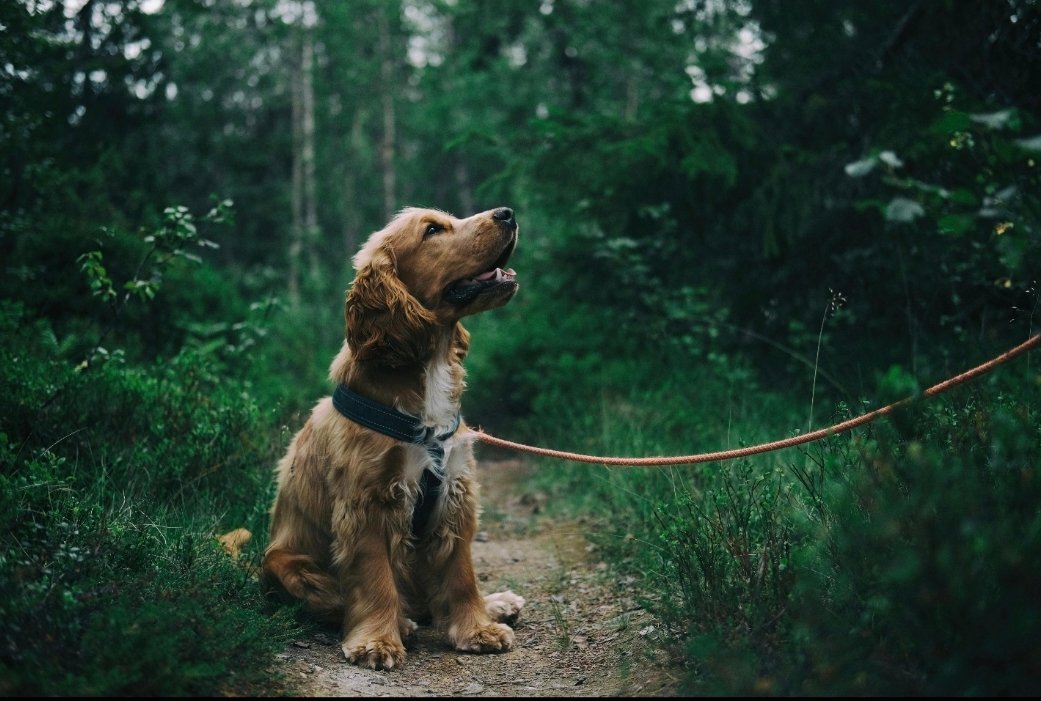
Dog grooming frequency is influenced by coat type, lifestyle, and overall health. While some dogs require daily brushing, others may only need occasional sessions. Understanding your dog’s unique needs helps prevent skin issues, matting, odors, and discomfort. Establishing a routine also helps reduce shedding and makes professional grooming appointments easier and more efficient.
Grooming is not just about staying clean—it’s about maintaining your dog’s long-term well-being.
Short-Coated Dogs: Low Maintenance but Still Needs Care
Short-haired breeds like Boxers, Beagles, and Pugs often appear low-maintenance, but they still need regular brushing to remove loose hair, distribute natural oils, and reduce shedding. These dogs usually benefit from brushing once or twice per week and bathing every four to six weeks.
Even though their coats do not mat easily, they can still experience skin irritation if brushing is overlooked.
Long-Coated Dogs: More Frequent Grooming Required
Long-haired breeds such as Shih Tzus, Collies, and Golden Retrievers require more consistent maintenance. Brushing every day or every other day helps prevent tangles and mats. Dogs with long or double coats often need professional dog grooming in Georgetown, TX, every four to eight weeks depending on the season and coat condition.
Keeping these coats healthy also reduces allergens and improves airflow to the skin.
Curly or Textured Coats: Structured Grooming Schedules
Breeds like Poodles, Bichon Frises, and Doodles have coats that grow continuously. Their hair can mat quickly, so frequent brushing—ideally daily—is essential. These breeds benefit from professional grooming every four to six weeks to maintain coat shape and prevent tangles from becoming painful mats.
A consistent grooming schedule ensures their coat remains manageable and comfortable.
Lifestyle Considerations That Influence Grooming Needs
Active dogs that spend lots of time outdoors typically require more frequent baths and brushing. Dogs who swim often need additional ear care to prevent infections. Senior dogs may require gentler grooming and more assistance with hygiene due to mobility issues.
Adjusting your grooming routine based on lifestyle ensures optimal care year-round.
Conclusion
There is no one-size-fits-all grooming schedule. By considering your dog’s coat type, lifestyle, and health, you can create a routine that keeps them clean, comfortable, and happy. Regular grooming not only improves appearance—it also supports your dog’s ongoing physical and emotional well-being.
 hamza seo