

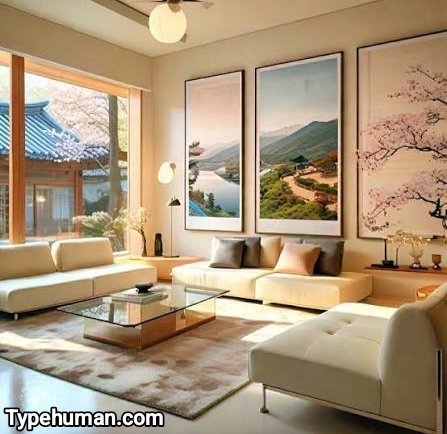
Homes are living spaces that evolve along with the people who inhabit them. Over time, changing lifestyles, growing families, aging structures, and shifting design preferences can make once-functional spaces feel outdated or inefficient. This is where renovations play a powerful role, offering homeowners the opportunity to improve comfort, functionality, and visual appeal without leaving behind the familiarity of their existing space, notes Azure Sky Realty solutions. A well-planned renovation can breathe new life into a home, aligning it with modern needs while preserving its character and emotional value.
Renovating a home is not simply about aesthetics. It is a strategic process that blends design, construction, budgeting, and long-term planning. When done thoughtfully, it enhances daily living, increases property value, and creates environments that feel purposeful and inspiring. Understanding the renovation process from start to finish allows homeowners to make informed decisions and achieve results that are both practical and enduring.
Understanding the Purpose of Home Renovation
Every renovation begins with a purpose. Some homeowners seek to improve functionality by opening up floor plans or adding storage, while others focus on modernizing outdated features or repairing worn structures. In many cases, renovations are driven by a combination of needs, such as enhancing comfort, improving energy efficiency, and updating design elements to reflect current tastes.
Clearly identifying the purpose of the project helps guide decisions throughout the process. It influences which areas of the home are prioritized, what materials are selected, and how the budget is allocated. A renovation rooted in clear goals is more likely to deliver satisfaction and long-term value.
Assessing the Existing Space
Before design ideas take shape, a thorough assessment of the existing home is essential. This includes evaluating structural integrity, plumbing, electrical systems, insulation, and overall layout. Understanding what works well and what needs improvement provides a realistic foundation for planning.
Hidden issues such as outdated wiring, water damage, or structural wear can significantly impact scope and cost. Addressing these early prevents delays and unexpected expenses later. A detailed assessment ensures that the renovation enhances the home safely and sustainably.
Planning and Design Strategy
Effective planning is the backbone of any successful renovation. This stage involves translating ideas into practical designs that balance aesthetics, function, and feasibility. Floor plans, material selections, and design concepts should all align with the homeowner’s goals and lifestyle.
Good design considers flow, natural light, storage, and how spaces connect. It also anticipates future needs, allowing the home to adapt over time. Thoughtful planning minimizes changes during construction and helps keep the project on schedule and within budget.
Budgeting with Realistic Expectations
Budgeting is one of the most critical aspects of renovation planning. Costs vary depending on the size of the project, materials chosen, and the condition of the existing structure. Establishing a realistic budget early helps guide decisions and prevents financial strain.
It is wise to include a contingency allowance for unexpected discoveries, which are common in renovation projects. Investing in quality materials and skilled workmanship often reduces long-term maintenance and repair costs, making the renovation more cost-effective over time.
Choosing Materials That Balance Beauty and Durability
Material selection significantly influences both the appearance and longevity of a renovated space. Flooring, cabinetry, countertops, and finishes should be chosen with durability, maintenance, and style in mind. High-traffic areas benefit from materials that can withstand wear while maintaining their appearance.
Modern materials offer a wide range of options that combine aesthetics with performance. Choosing wisely ensures the renovated space remains functional and attractive for years to come, reducing the need for frequent updates.
Improving Functionality and Flow
One of the primary goals of renovation is to improve how a home functions. Poor layouts, cramped rooms, or inefficient storage can disrupt daily routines. Renovation provides an opportunity to reconfigure spaces for better flow and usability.
Open layouts, improved storage solutions, and thoughtful placement of fixtures and furniture can dramatically enhance comfort. Functional improvements make everyday tasks easier and contribute to a more enjoyable living experience.
For those looking to maximize accessibility and long-term convenience, integrating a modern home elevator is an excellent way to elevate the property’s utility. This is especially true for residents seeking high-end luxury and mobility solutions, as Fort Lauderdale home elevators are increasingly becoming a staple in sophisticated, multi-story renovations that prioritize both style and ease of movement.
Energy Efficiency and Sustainability
Modern renovations increasingly focus on energy efficiency and sustainability. Upgrading insulation, windows, lighting, and appliances reduces energy consumption and lowers utility costs. These improvements also contribute to a healthier indoor environment.
Sustainable choices benefit both homeowners and the environment. Energy-efficient features often pay for themselves over time while increasing the home’s appeal and long-term value. Incorporating sustainability into renovation planning is both a practical and responsible approach.
Working with Skilled Professionals
Renovation projects often involve multiple trades, including design, construction, plumbing, and electrical work. Coordinating these elements requires experience and attention to detail. Working with skilled professionals ensures the project meets safety standards, building codes, and design expectations.
Clear communication with professionals helps align goals, timelines, and budgets. Experienced teams anticipate challenges, offer solutions, and maintain quality control throughout the process, resulting in a smoother renovation experience.
Managing the Renovation Timeline
Renovations can disrupt daily routines, making timeline management especially important. Setting realistic expectations for project duration helps reduce stress and frustration. Factors such as project scope, material availability, and unforeseen issues can influence timelines.
Regular updates and clear scheduling keep the project moving forward. Understanding the sequence of work allows homeowners to plan accordingly and maintain flexibility as the renovation progresses.
Enhancing Comfort and Livability
Beyond visual improvements, renovations should enhance comfort. This includes better lighting, improved ventilation, sound control, and ergonomic design. Comfortable spaces support well-being and make homes more enjoyable to live in.
Attention to detail, such as soft-close cabinetry, well-placed lighting, and comfortable layouts, elevates the overall experience. Renovation success is measured not only by appearance but by how the space feels in everyday use.
Adapting Spaces for Changing Needs
Homes should evolve with their occupants. Renovation offers an opportunity to adapt spaces for changing lifestyles, whether accommodating growing families, remote work, or aging in place. Flexible designs allow rooms to serve multiple purposes over time.
Planning for adaptability ensures the home remains functional and relevant, reducing the need for frequent updates. A future-focused approach maximizes the long-term value of the renovation.
The Emotional Impact of Renovating
Renovating a home is not just a physical transformation; it is an emotional journey. Homes hold memories, and improving them can strengthen emotional connection and pride of ownership. The process may involve temporary disruption, but the outcome often brings renewed appreciation for the space.
Clear expectations, good communication, and thoughtful planning help manage stress during the renovation process. The reward is a home that feels refreshed, personalized, and aligned with current needs.
Long-Term Maintenance Considerations
After the renovation is complete, proper maintenance preserves the results. Choosing durable materials and quality workmanship simplifies upkeep and extends the life of the improvements. Routine care ensures that renovated spaces continue to perform well over time.
Understanding maintenance requirements during the planning phase helps homeowners make informed choices. A renovation designed with longevity in mind offers lasting satisfaction and reduced long-term costs.
The Impact on Property Value
Well-executed home improvements often enhance property value. Buyers are drawn to updated, functional, and energy-efficient homes. While not all renovations yield the same return, quality upgrades generally improve market appeal.
Beyond resale value, the daily benefits of improved comfort and functionality provide immediate returns. A renovation that enhances both lifestyle and value represents a strong investment.
Bringing Vision and Practicality Together
Successful home improvement projects balance creativity with practicality. By aligning vision, budget, and functionality, homeowners can transform their spaces in meaningful ways. Thoughtful decision-making ensures that design choices support real-life use rather than short-term trends.
This balanced approach results in spaces that are not only beautiful but also highly functional and enduring.
Conclusion:
Home improvement projects offer the opportunity to transform familiar spaces into environments that better support modern living. When planned carefully and executed with attention to detail, renovations enhance comfort, functionality, and long-term value. They allow homeowners to remain rooted in a place they love while adapting it to evolving needs.
Ultimately, successful renovations are about more than design changes. They represent a commitment to quality, comfort, and thoughtful living. With clear goals, realistic planning, and skilled execution, renovations can redefine how a home looks, feels, and functions for many years to come.
 hamza seo