

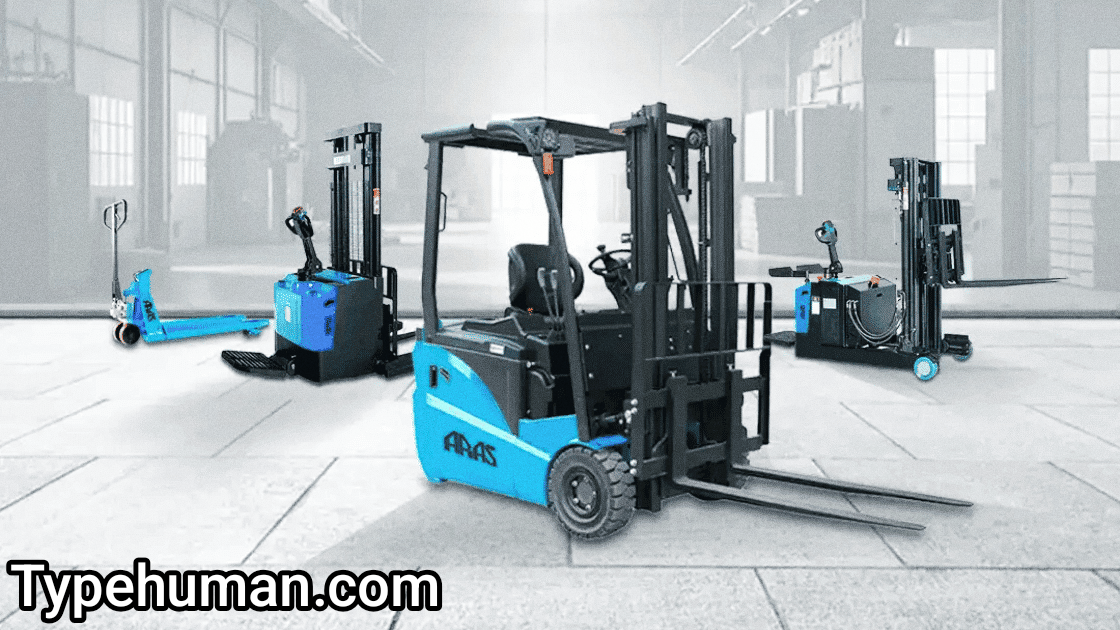
Finding the right forklift for sale is a pivotal decision for businesses that rely on efficient material handling to keep operations moving smoothly. Forklifts are fundamental to industries such as warehousing, logistics, manufacturing, construction, distribution, and retail. These powerful machines enable heavy lifting, safe transport of goods, and streamlined workflows that contribute directly to productivity and profitability. Because forklifts are long‑term capital equipment rather than disposable tools, choosing the right forklift requires thoughtful evaluation of capacity, operational needs, environmental conditions, and budget constraints. This guide will walk you through every consideration you need to make an informed purchase that supports performance, safety, and long‑term value.
Understanding Your Material Handling Needs
Before exploring the market for a forklift for sale, it is important to assess why your business needs the equipment and how it will be used. Material handling has wide variations depending on the industry, the types of products being moved, the layout of the facility, and whether operations are conducted indoors or outdoors. In warehouse environments, forklifts are often required to access high shelving, maneuver narrow aisles, and handle palletized inventory quickly and safely. In outdoor applications such as construction sites or wholesale yards, equipment must be capable of navigating uneven terrain, heavier workloads, and variable weather conditions. Understanding your specific use case lays the foundation for identifying the features and specifications that matter most, including lifting capacity, mast height, fuel type, size, and ergonomic considerations.
New vs. Used Forklifts: Evaluating Your Options
One of the biggest decisions in finding a forklift for sale is whether to purchase new or pre‑owned equipment. New forklifts offer the latest technology, full warranty coverage, and the assurance of minimal wear and tear. They often come equipped with advanced safety features, improved energy efficiency, and modern ergonomics designed to reduce operator fatigue and enhance productivity. However, new forklifts also come with higher upfront costs that may not fit within the budget of all businesses, particularly smaller operations or start‑ups.
Pre‑owned or used forklifts provide a cost‑effective alternative, offering significant savings while still delivering dependable performance when selected and maintained properly. Used forklifts can often be acquired at a fraction of the cost of new units, and because forklifts typically have long service lives when cared for correctly, they can represent excellent value. When considering a used forklift for sale, it is crucial to examine maintenance records, hours of operation, overall condition, and inspect key components such as the mast, hydraulic system, tires, engine or battery, and safety mechanisms. Well-maintained used forklifts with documented service histories reduce the risk of unexpected breakdowns and ensure that the equipment will continue to operate efficiently after purchase.
Types of Forklifts and Their Applications
Forklifts come in several different types designed for specific operational needs, and understanding the differences between these categories helps buyers choose a machine that fits their environment. Electric forklifts are ideal for indoor use because they operate without exhaust emissions and produce less noise than combustion‑powered models. Their quieter operation makes them suitable for enclosed facilities where air quality and noise reduction are priorities, such as food storage, retail distribution centers, or climate‑controlled warehouses. Electric forklifts typically run on rechargeable batteries, and while they require careful battery management and charging infrastructure, their lower mechanical complexity often results in reduced maintenance demands compared to internal combustion alternatives.
Internal combustion forklifts, which operate on fuel sources such as diesel, gasoline, or propane, are often selected for outdoor environments or mixed indoor/outdoor use. These units generally offer more torque and lifting power, making them suitable for heavier loads, greater lifting heights, and uneven terrain. They are commonly used in construction settings, lumber yards, and outdoor storage facilities. Choosing between electric and internal combustion models depends on your facility’s ventilation, noise tolerance, expected duty cycles, and fueling infrastructure.
Specialized forklifts such as reach trucks, rough terrain forklifts, and pallet jacks serve niche operational needs. Reach trucks are tailored for indoor warehouse environments where narrow aisles and high shelving require precise maneuverability and high elevation reach. Rough terrain forklifts are engineered with robust tires and reinforced suspensions for outdoor surfaces that are not paved or level, enabling them to handle gravel, dirt, and uneven ground without compromising stability. Pallet jacks and walkie stackers serve lighter duty applications, offering cost‑effective solutions for facilities that do not require full‑sized forklifts but still need assistance with frequent material handling.
Essential Specifications to Consider
When evaluating a forklift for sale, several key technical specifications should be carefully reviewed to ensure compatibility with your workload. Load capacity refers to the maximum weight the forklift can safely lift and transport at a given height. It is essential to choose a forklift whose rated capacity exceeds your maximum expected load, as operating at or near the machine’s capacity limit can compromise safety and accelerate wear. Mast height and lift range determine how high the forklift can raise loads, which is particularly important in facilities with tall racking systems where vertical space utilization improves storage density. Wheelbase and turning radius affect maneuverability, especially in narrow aisles or compact workspaces where limited space requires agile equipment.
Tire type and condition also play a critical role. Pneumatic tires are often used for outdoor applications because they offer cushioning over rough surfaces, while solid or cushion tires are common in indoor environments with smooth floors because they provide low rolling resistance and require minimal maintenance. Evaluating tire condition and understanding the costs associated with replacement or service can influence long‑term ownership expenses and should be factored into the purchasing decision. Safety features such as seat belts, overhead guards, backup alarms, lights, and horns are essential to protect operators and ensure compliance with workplace safety regulations.
Maintenance and Long-Term Care
Once a forklift has been purchased, proper maintenance is crucial to ensure longevity and reliability. Establishing a routine maintenance schedule that includes daily inspections, battery or engine servicing, hydraulic system checks, and tire and brake evaluations helps detect minor issues before they escalate into costly repairs. Training operators in safe and efficient handling techniques reduces the risk of accidents and damage to the equipment. Well‑maintained forklifts improve workplace safety, minimize downtime, and maximize the return on investment. Preventive maintenance not only prolongs the life of the machine but also ensures consistent operational performance, reducing unexpected interruptions to daily workflows.
Financing, Budgeting, and Total Cost of Ownership
The financial aspect of purchasing a forklift for sale extends beyond the initial purchase price. Businesses must consider long‑term costs including maintenance, repairs, energy or fuel consumption, insurance, depreciation, and potential downtime. Leasing or financing options may help organizations acquire the equipment they need while maintaining cash flow for other operational needs. Creating a detailed budget that incorporates these factors allows for informed decision‑making and helps prevent overspending while ensuring the forklift will meet operational requirements for years to come.
Where to Find Forklifts for Sale
Forklifts can be sourced through authorized equipment dealers, industrial auctions, online marketplaces, and resale lots. Authorized dealers provide reliable equipment, warranties, and professional guidance, while auctions and resale markets often offer competitive pricing for pre-owned units. Regardless of the source, it is important to verify equipment history, inspect the forklift thoroughly, and confirm that all components are functional. Partnering with reputable sellers ensures confidence in your purchase and access to expert advice for installation, operation, and maintenance.
Conclusion
A forklift for sale represents more than just a piece of equipment; it is a critical investment that drives productivity, safety, and efficiency. By evaluating operational requirements, selecting the appropriate type and specifications, and implementing a maintenance plan, businesses can ensure long-term reliability and value. Whether purchasing a new or pre-owned forklift, thorough research, careful inspection, and consideration of total cost of ownership contribute to making a smart, strategic decision. Properly chosen forklifts enhance workflow, reduce labor strain, and strengthen workplace safety, making them indispensable assets in material handling operations across industries.
 hamza seo