

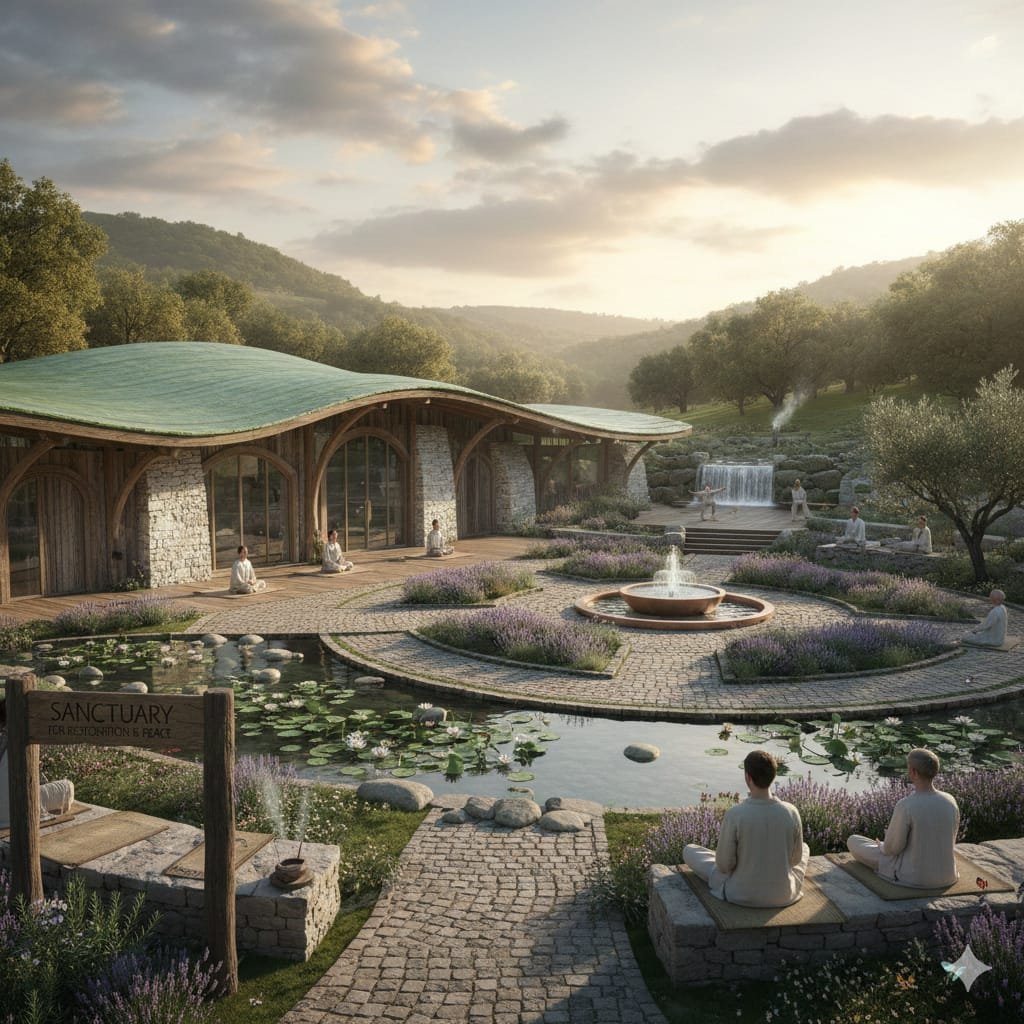
In the modern era, the pace of life has accelerated to an unprecedented speed. We are constantly bombarded with digital notifications, tight deadlines, and the general noise of the outside world. As a result the function of the home has fundamentally shifted. It is no longer just a place to sleep or store possessions because it has become the primary defense against stress. The contemporary home must serve as a sanctuary or a physical space that actively promotes mental well-being and emotional restoration, says Castle Management experts. This necessity has given rise to a design philosophy centered on calmness, where every choice is made with the intention of soothing the senses and quieting the mind.
Creating a tranquil environment is not about enforcing a strict minimalist aesthetic or stripping a room of its personality. Rather, it is about curating a space that feels harmonious and grounded. It involves a deep understanding of how our surroundings influence our psychology. From the flow of traffic through a room to the tactile quality of the fabrics we touch, every element contributes to the overall atmosphere. A truly calm home allows its inhabitants to exhale the moment they walk through the door, offering a soft landing in a hard world.
The Foundations of a Peaceful Home
The living room is typically the epicenter of domestic life, and therefore, it is the most critical area to address when cultivating a sense of peace. It is the space where social connection meets personal relaxation. To foster tranquility, the foundation of the room, including the furniture layout and the primary seating, must be solid and inviting. A chaotic or cluttered arrangement creates visual noise that the brain must constantly process, which leads to subtle fatigue. Conversel,y a well-ordered space allows the mind to rest.
The centerpiece of this arrangement is invariably the sofa. It sets the tone for the room’s comfort level and aesthetic style. For those who already own classic, rounded arm furniture styles, there is often no need to invest in entirely new pieces to achieve a serene look. In fact, working with what you have is a cornerstone of sustainable and stress-free living. For those seeking to refine their current setup without a complete overhaul, exploring Ektorp living room ideas for calm spaces offers a pathway to refresh the visual language of the room. By adopting slipcovers in soft neutral tones or natural fabrics, homeowners can transform a standard piece of furniture into a bespoke element that anchors the room in quiet elegance. This approach allows for a seamless integration of existing structures into a new and more peaceful design narrative.
The Psychology of Space and Flow
The way we move through a space directly impacts how we feel within it. A room that feels cramped or obstructed generates tension. Therefore, establishing a clear and logical flow is essential for a calm interior. This involves looking at the negative space or the empty areas between furniture as being just as important as the furniture itself. Allowing for wide pathways and breathing room around key pieces creates a sense of airiness and expansion.
Decluttering is a significant part of this process, but it should not be confused with depersonalization. A calm space should still tell the story of its inhabitants, but it should do so in a curated manner. Instead of displaying every souvenir or book, select a few meaningful items that spark joy and give them space to shine. This reduction of visual stimuli helps to lower cortisol levels and promotes focus. It is about prioritizing quality over quantity, ensuring that everything in the room serves a purpose, whether that purpose is functional or purely aesthetic.
Materiality and the Sensory Experience
Interior design is a multi-sensory discipline. While the visual aspect is often prioritized, the tactile experience is equally potent in establishing a mood. In a calm space, the materials should invite touch and offer comfort. This is where the concept of softening a room comes into play. Hard surfaces like glass and metal can sometimes feel cold or clinical, so it is important to introduce layers of texture that add warmth and depth.
Natural fibers are the champions of the tranquil home. Linen, with its breathable weave and organic drape, suggests a relaxed and unhurried lifestyle. It does not demand perfection because its natural crinkles add to its charm. Cotton brings a crisp, clean feeling that is universally comforting. For those colder months, introducing wool throws or sheepskin rugs adds a primal sense of warmth and security. These textures absorb sound, contributing to the acoustic quietness of the room, which is a subtle but vital component of a peaceful environment.
Wood is another essential element. Whether it is present in the flooring, the furniture frames, or decorative objects, wood connects the interior to the natural world. Its grain patterns and warm tones have a grounding effect. Using timber in its more natural matte finishes rather than high gloss lacquers keeps the look organic and earthy. This connection to nature, often referred to as biophilic design, is proven to reduce stress and enhance creativity.
The Palette of Relaxation
Color has a profound ability to bypass our rational mind and speak directly to our emotions. When designing for calmness, the color palette is one of the most powerful tools available. While there is no single correct color for relaxation, certain hues are naturally more soothing than others. The goal is to avoid jarring contrasts and highly saturated primaries that stimulate the nervous system.
Neutrals are the traditional foundation for a calm space, but they need not be boring. Layering various shades of white, cream, beige, and taupe creates a sophisticated and enveloping atmosphere. These colors reflect light softly, making the room feel open and airy. To prevent a neutral room from feeling flat, it is crucial to rely on the textures discussed earlier. A white linen sofa against a cream wool rug creates interest through shadow and surface variation rather than pigment contrast.
For those who crave color, looking to nature is the best strategy. Soft greens reminiscent of sage or moss bring the restorative power of the forest indoors. These shades are easy on the eye and act as a neutral in many design schemes. Similarly, pale blues and greys evoke the sky and the sea, promoting a sense of vastness and tranquility. These cool tones are particularly effective in rooms that receive a lot of direct sunlight, as they can help to visually cool the space.
Lighting as a Mood Setter
Lighting is the invisible paint of the interior designer. It has the power to completely transform the mood of a room at the flick of a switch. In a calm living space, the lighting scheme should be versatile and layered. Reliance on a single bright overhead light is the enemy of ambiance. Instead, the room should be lit by a combination of sources at different levels.
Floor lamps and table lamps cast pools of light that create intimacy and draw the eye to specific, comfortable corners. Sconces can wash the walls with light, highlighting texture and making the room feel wider. The temperature of the light is also critical because warm white bulbs mimic the glow of firelight and signal to the body that it is time to unwind, whereas cool white bulbs can feel too energetic and clinical for a relaxation space.
Integrating Wellness into Decor
Designing a home for wellness goes beyond aesthetics because it involves creating an environment that supports healthy habits and positive rituals. This might mean dedicating a corner of the living room to reading with a comfortable chair and good lighting or keeping a yoga mat easily accessible but neatly stored. It is about removing the friction between you and the activities that restore you.
Understanding the deep connection between our environment and our internal state is key to this approach. Leading voices in the design community have identified specific strategies to enhance this bond. As discussed in the insightful article by House Beautiful on how to create room serenity, experts say that prioritizing room serenity is the secret to balancing design and mental health. The guide emphasizes that our homes should be places where we can decompress and detach from the stressors of the outside world. It suggests incorporating elements that engage the senses, such as calming scents and soft sounds, to create a holistic experience of peace.
This expert advice reinforces the idea that a sanctuary is built on details. It is the cumulative effect of a soft rug underfoot, the gentle scent of a candle, and the visual harmony of a balanced layout that creates a profound sense of well-being.
The Role of Sustainability in Peace of Mind
There is a growing recognition that personal peace is linked to a clear conscience regarding our environmental footprint. Living in a home filled with disposable fast fashion furniture can create a subtle sense of guilt or unease. Conversely, knowing that your home reflects your values adds a layer of deep satisfaction to the living experience.
A sustainable approach to design inherently supports a calmer lifestyle. It encourages slowing down and appreciating what we have. Instead of constantly chasing the latest trend, sustainable design focuses on longevity and timelessness. This is why the practice of recovering and repairing furniture is so compatible with the calm aesthetic. It creates a narrative of care and stewardship. When you choose to wash a slipcover rather than buy a new sofa, you are engaging in a ritual of maintenance that respects the resources of the planet.
Furthermore, natural and sustainable materials often age beautifully, developing a patina that adds character over time. Leather softens, wood deepens in color, and linen softens with every wash. This acceptance of the aging process finds beauty in imperfection and transience. Embracing this philosophy liberates the homeowner from the impossible standard of maintaining a showroom-perfect house, allowing them to relax and truly live in their space.
Conclusion
The journey to creating a sanctuary of tranquility is a deeply personal one. It requires introspection and a willingness to prioritize how a space feels over how it looks to others. It is about stripping away the non-essential to reveal the comfort underneath. By focusing on a solid foundation of adaptable furniture embracing the sensory language of natural textures and curating a palette that soothes the spirit, anyone can transform their living room into a haven of peace.
In a world that is often loud and demanding, the home remains our one controllable environment. It is the place where we can reset our internal rhythm. By designing with intention and care, we build more than just beautiful rooms because we build a support system for our well-being. A calm home is not a luxury because in the modern age, it is a necessity, providing the stillness we need to thrive.
 hamza seo