

Introduction
Severe weather events can strike unexpectedly, leaving behind a trail of destruction that disrupts daily life, damages property, and poses serious safety risks says New Orleans Property Management. From heavy rainfall and strong winds to hailstorms and ice storms, the impact on both residential and commercial structures can be significant. When a storm leaves its mark, timely and effective recovery becomes a priority, making the role of storm restoration crucial. Understanding the processes, challenges, and best practices associated with storm restoration is essential for anyone looking to protect their property, ensure safety, and expedite recovery after a destructive weather event.
Understanding Storm Restoration
Storm restoration in Rockland County, NY is a comprehensive process designed to repair and mitigate damage caused by severe weather. The process typically begins with an assessment of the affected property, which is critical to identify structural damage, water intrusion, electrical hazards, and other safety concerns. Professional storm restoration services employ skilled technicians and advanced tools to assess damage accurately and prioritize restoration tasks. This ensures that resources are allocated efficiently and that the most critical issues are addressed first, reducing the risk of further damage or accidents during recovery.
Damage Assessment and Debris Removal
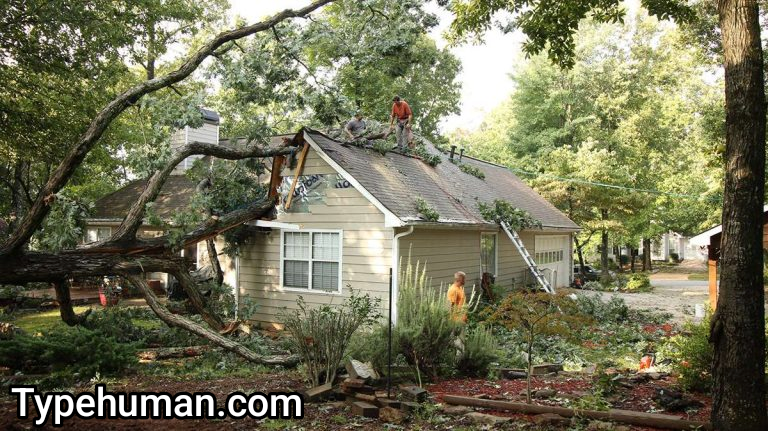
The first step in storm restoration is a thorough evaluation of the property to determine the extent of damage. Storms often leave behind broken trees, damaged roofs, shattered windows, and scattered debris, all of which can pose serious hazards. Prompt debris removal is essential for safety and for creating a clean workspace that allows restoration professionals to operate efficiently. In cases of significant structural damage, temporary stabilization measures, such as boarding up windows or reinforcing weakened walls, may be necessary to prevent further deterioration until permanent repairs can be completed.
Water Damage Mitigation
Water damage is one of the most common consequences of storms, particularly after heavy rainfall, flooding, or burst pipes. Addressing water intrusion quickly is a critical part of storm restoration because prolonged exposure to moisture can lead to mold growth, wood rot, and compromised structural integrity. Restoration professionals use specialized equipment such as industrial-grade dehumidifiers and water extraction systems to remove moisture efficiently and prevent secondary damage. Advanced drying techniques ensure hidden areas, including wall cavities and underfloor spaces, are thoroughly dried, reducing the risk of long-term issues.
Roof and Structural Repairs
High winds, hail, and other storm impacts often compromise roofs and structural elements of buildings. Damaged roofs can lead to leaks, energy inefficiency, and weakened structural integrity, making prompt repair crucial. Storm restoration services typically include roof inspection, temporary tarping, and full-scale repair or replacement depending on the severity of damage. Professionals can also recommend preventive measures to strengthen roofs against future storms, such as installing impact-resistant shingles or improving drainage systems.
Electrical and Mechanical System Restoration
Storms can disrupt electrical and mechanical systems, posing both safety hazards and functional interruptions. Power surges, exposed wiring, and damaged HVAC units can affect daily operations in homes and businesses. A comprehensive storm restoration plan includes inspection and repair of electrical systems to ensure safety and functionality. HVAC systems are also checked and restored, maintaining a comfortable and safe indoor environment after a storm.
Navigating Insurance Claims
Insurance is a critical component of the storm restoration process. Property owners often face challenges filing claims, documenting damage, and coordinating with insurance providers. Storm restoration professionals assist by providing detailed damage assessments, photographic evidence, and accurate repair estimates. This guidance streamlines the claims process, reduces disputes, and ensures property owners receive appropriate coverage. By managing these tasks, restoration specialists allow property owners to focus on recovery rather than administrative challenges.
Preventive Measures for Future Storms
Storm restoration extends beyond repairing current damage it also focuses on preventive measures to minimize future risks. This can include reinforcing vulnerable areas, installing protective barriers, improving drainage, and implementing landscaping strategies to reduce flooding. Integrating these solutions enhances resilience, protects investments, and offers long-term peace of mind for homeowners and business owners alike.
Maintaining Environmental Safety and Indoor Air Quality
Storms can introduce contaminants such as mold spores, bacteria, and dust, which may affect indoor air quality and health. Storm restoration includes thorough cleaning, disinfection, and air purification procedures to ensure living and working spaces are safe. Advanced filtration systems, antimicrobial treatments, and mold remediation techniques are employed to eliminate hazards and restore indoor environments to healthy conditions.
Emotional and Psychological Recovery
The impact of storm damage extends beyond physical property. Experiencing destruction or disruption can be emotionally taxing for families and businesses. Timely and organized storm restoration provides reassurance, stability, and a sense of progress. Knowing that professional teams are addressing repairs, safety, and preventive measures allows property owners to focus on rebuilding their lives and operations with confidence.
Technological Innovations in Storm Restoration
Modern storm restoration relies on advanced technology to enhance efficiency and accuracy. Drones can perform aerial inspections to detect damage in hard-to-reach areas, while thermal imaging cameras identify hidden moisture or insulation gaps. Project management software helps coordinate repair schedules, resource allocation, and progress tracking. These innovations ensure that restoration efforts are precise, timely, and comprehensive, ultimately improving outcomes and reducing downtime.
A Multidisciplinary Approach to Restoration
Successful storm restoration requires a collaborative approach involving contractors, engineers, insurance specialists, environmental experts, and safety inspectors. Each professional contributes specialized expertise, ensuring the process addresses structural integrity, safety, environmental health, and regulatory compliance. This holistic approach guarantees that the property is repaired, optimized for resilience, and ready for long-term protection against future storms.
Conclusion
Storm restoration is a critical process that restores safety, functionality, and value to properties impacted by severe weather. From damage assessment and debris removal to water mitigation, structural repairs, and preventive measures, each step requires careful planning, technical expertise, and professional execution. Effective Storm restoration in Rockland County, NY ensures that property owners can recover fully, reduce risks, and rebuild with confidence.
Investing in professional storm restoration is not just a response to damage, it is a proactive strategy for safety, property protection, and peace of mind. By understanding the scope, benefits, and importance of storm restoration, property owners are better equipped to navigate post-storm recovery and safeguard their investments for the future.