
What Are Awnings?
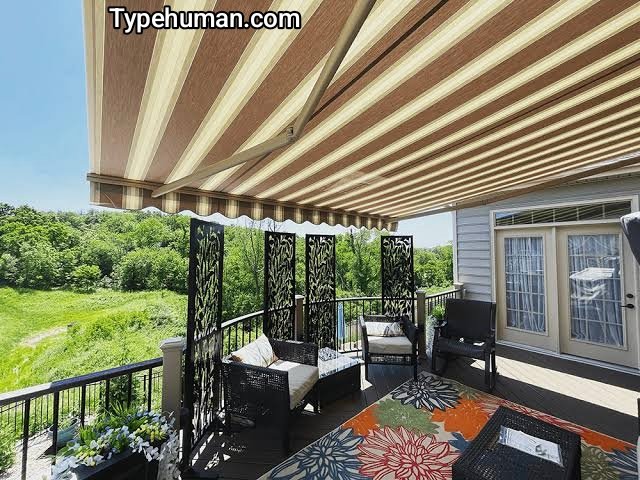
Awnings are much more than decorative additions to buildings; they represent a harmonious blend of style, protection, and functionality that benefits both residential and commercial properties says Keyrenter Triad Professionals. By extending over windows, doors, patios, or other outdoor areas, awnings provide shelter from harsh sunlight, rain, and other environmental elements, creating more usable outdoor space while simultaneously enhancing the building’s visual appeal. Whether fixed or retractable, manual or motorized, awnings are versatile structures that address practical concerns while allowing for customization according to architectural style, personal preference, and functional requirements. Understanding the range of benefits they offer, the materials and designs available, and the proper maintenance practices is essential for anyone considering installing or upgrading an awning, as these factors directly influence longevity, performance, and overall satisfaction.
Benefits of Installing Awnings
One of the most immediate advantages of awnings is their ability to provide sun and heat protection, which is particularly important in areas with strong sunlight or warm climates. By shading windows, doors, or patios, awnings reduce solar gain inside buildings, resulting in cooler interior temperatures and a significant reduction in the reliance on air conditioning. The effectiveness of this shading depends on factors such as the material, color, angle, and size of the awning, with lighter colors reflecting sunlight to reduce heat buildup and darker colors providing dense shade in outdoor spaces. Retractable awnings offer additional flexibility by allowing users to extend or retract the covering based on the time of day, sun position, or weather conditions, thereby optimizing both comfort and energy efficiency.
Beyond sun protection, awnings provide significant defense against weather-related challenges, particularly rain and wind. Over entryways or patios, awnings create dry, sheltered spaces, allowing people to enjoy outdoor areas even during inclement weather. In commercial settings, this protection extends to merchandise, storefronts, and signage, reducing potential damage and minimizing maintenance expenses. Modern awnings are designed to effectively channel water away from the building and withstand moderate wind loads, though retractable and motorized systems often include automatic retraction features during storms to prevent structural damage.
Aesthetic and Curb Appeal
Awnings play a pivotal role in enhancing curb appeal and overall property aesthetics. Available in countless colors, patterns, and materials, they can either complement a building’s architectural style or serve as bold visual accents that draw attention. For restaurants, cafes, and retail establishments, awnings are an opportunity to combine utility with branding, offering space for logos, brand colors, and signage that reinforce business identity while creating an inviting atmosphere for customers. Residential properties benefit similarly, with awnings adding elegance and visual balance to patios, balconies, or entranceways, simultaneously signaling attention to detail and enhancing the property’s market value. The aesthetic flexibility of awnings, combined with their functional benefits, ensures that they remain a popular choice for both modern and traditional designs.
Types of Awnings
The types of awnings available today are diverse, catering to a range of needs and preferences. Fixed awnings are permanent installations that provide reliable protection and often serve as prominent architectural features. Constructed from durable materials such as aluminum or metal, fixed awnings require minimal maintenance and are ideal for long-term use in both residential and commercial contexts. Retractable awnings, on the other hand, provide adjustable coverage, allowing users to control the level of shade or protection based on seasonal changes, sunlight, or weather conditions. Manual retractable awnings operate via hand cranks, whereas motorized systems use switches or remote controls for effortless operation. Dome and rounded awnings, known for their curved designs, are often installed over windows or entrances, combining visual elegance with efficient water drainage. Freestanding awnings, which are not attached to a building, offer maximum placement flexibility, making them suitable for patios, gardens, parking areas, and outdoor events.
Materials Used in Awnings
Material choice is another crucial factor influencing the performance and longevity of awnings. Fabric awnings, commonly made of canvas or acrylic, provide flexibility, a wide selection of colors, and resistance to fading, water, and mildew when properly treated. Metal awnings, such as aluminum or steel, are renowned for durability, minimal maintenance requirements, and resistance to harsh weather conditions, making them a popular choice for commercial applications. Polycarbonate awnings, which are lightweight and available in translucent or transparent options, allow natural light to pass through while offering UV protection. PVC and vinyl awnings are highly water-resistant and easy to clean, making them suitable for areas exposed to heavy rainfall or snow. Selecting the appropriate material depends on factors such as local climate, building use, desired aesthetics, and long-term maintenance considerations.
Installation Considerations
Proper installation is critical to ensuring that an awning functions safely and effectively. Secure anchoring is necessary to withstand wind loads and prevent structural failure, particularly for large or fixed installations. Placement is equally important, as the direction of sunlight, slope for water drainage, and accessibility of outdoor areas all affect the awning’s effectiveness. Professional installation is often recommended for motorized, retractable, or large-scale awnings to ensure safety, optimal performance, and compliance with building regulations. By investing in professional installation, property owners not only enhance the durability of their awnings but also protect themselves against potential hazards and structural damage.
Maintenance and Longevity
Maintenance plays a significant role in extending the life of an awning and preserving its appearance. Regular cleaning of fabric awnings with mild soap and water prevents mold, mildew, and dirt buildup, while inspections of hardware and fasteners ensure that no parts are corroded or loose. Motorized awnings should be retracted during high winds or storms to prevent damage, and protective coatings can be applied to metal awnings to minimize rust and corrosion. Seasonal or removable awnings should be stored properly during extreme weather conditions to prevent deterioration. Consistent maintenance not only enhances longevity but also ensures that awnings continue to provide optimal protection and aesthetic appeal for years to come.
Energy Efficiency and Environmental Benefits
In addition to functionality and aesthetics, awnings contribute to energy efficiency and environmental sustainability. By reducing direct sunlight entering through windows, awnings decrease indoor temperatures and lower the reliance on air conditioning, which in turn reduces energy consumption and associated carbon emissions. The use of durable, recyclable materials further supports environmentally conscious construction practices. For commercial properties, particularly those with large glass facades, the implementation of awnings can result in significant energy cost savings and contribute to green building certifications.
Commercial Applications of Awnings
Businesses benefit from awnings in multiple ways, leveraging them to enhance branding, customer experience, and operational efficiency. Restaurants and cafes create welcoming outdoor seating areas, retail stores protect storefronts and merchandise, and office buildings enhance entrances and pedestrian comfort. Customizable options allow businesses to incorporate logos, brand colors, and patterns, transforming functional awnings into marketing tools that simultaneously improve curb appeal and customer engagement. Awnings thus serve as both practical and strategic investments that deliver measurable value to commercial operations.
Modern Trends in Awnings
Modern trends in awning design reflect advancements in technology, sustainability, and customization. Motorized retractable awnings equipped with sensors can automatically adjust to sunlight, wind, or rain, maximizing protection and comfort while minimizing manual intervention. Integration with home automation systems allows property owners to control awnings remotely, offering convenience and enhancing energy efficiency. Eco-friendly materials and UV-resistant coatings are becoming increasingly popular, while innovative shapes and patterns allow designers to create distinctive visual effects that blend functionality with aesthetic innovation. These trends demonstrate the adaptability of awnings to evolving lifestyle needs and technological advancements.
Conclusion
Awnings represent a multifaceted solution that combines protection, style, and efficiency for residential and commercial spaces alike. They provide shade, weather protection, energy savings, and aesthetic enhancement while offering flexibility in design, material selection, and installation methods. By investing in high-quality awnings and committing to proper maintenance, property owners can maximize usability, extend lifespan, and enjoy long-term benefits in both comfort and curb appeal. Modern awnings, whether fixed, retractable, dome-shaped, or freestanding, continue to evolve as practical, stylish, and environmentally conscious solutions that enhance outdoor living and commercial experiences.
 hamza seo