

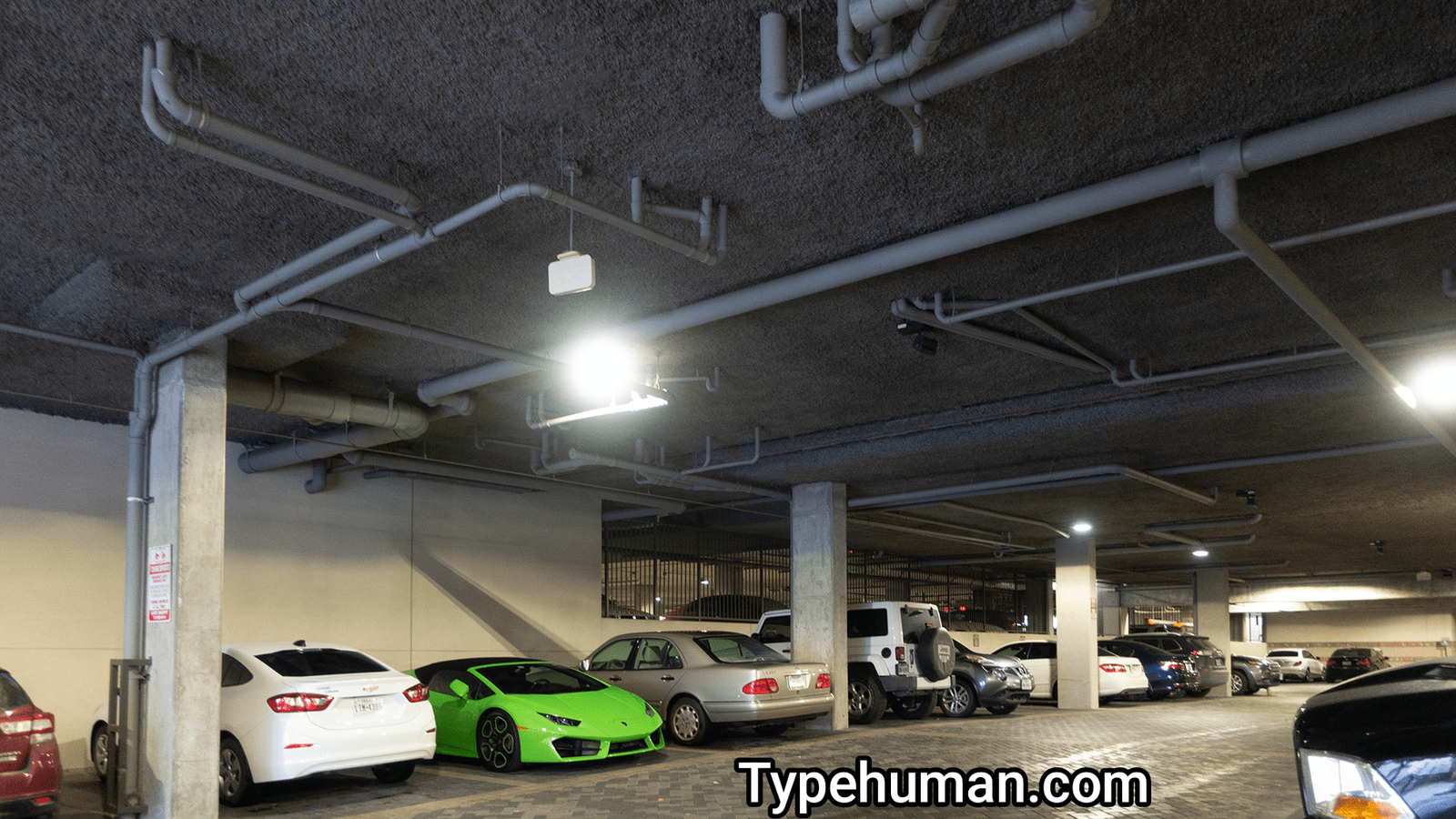
Overnight parking is a subject that quietly affects a wide range of people, from daily commuters and travelers to property owners and urban planners. While it may seem like a simple matter of leaving a vehicle stationary for several hours, the reality is far more nuanced. Rules, safety considerations, social expectations, and practical decision-making all play a role in determining whether overnight parking is convenient or problematic. This article explores the concept in depth, focusing on responsible behavior, common challenges, and practical solutions that help vehicle owners make informed choices.
At its core, overnight parking involves leaving a vehicle parked for an extended period, usually during late evening and early morning hours. This practice can occur in residential areas, commercial zones, private facilities, or shared spaces. The reasons vary widely: long work shifts, travel interruptions, limited residential parking, or simply the need to leave a car somewhere secure until the next day. Regardless of the reason, understanding the implications of overnight parking use is essential for avoiding unnecessary stress, fines, or conflicts.
The Growing Relevance of Overnight Parking
In recent years, overnight parking has become increasingly relevant due to changes in lifestyle and transportation patterns. More people rely on personal vehicles for work flexibility, long commutes, or irregular schedules. At the same time, urban density has increased, placing pressure on available parking spaces. This combination often leads drivers to seek safe and permissible places to leave their vehicles overnight.
Additionally, the rise of shared housing, remote work, and flexible travel has blurred traditional boundaries around parking expectations. What was once a straightforward arrangement tied to a single residence or workplace is now a more complex issue involving multiple stakeholders. Understanding these dynamics helps explain why overnight parking deserves careful consideration rather than casual assumptions.
Safety and Security Considerations
One of the most important aspects of overnight parking is safety. Leaving a vehicle unattended for long hours increases exposure to potential risks such as theft, vandalism, or accidental damage. Drivers must think beyond convenience and consider how visible, well-lit, and secure a parking area is during nighttime hours.
Security measures play a critical role in reducing risks. Well-maintained lighting, clear visibility from surrounding buildings, and regular monitoring can significantly improve safety. Even simple habits, such as removing valuables from sight and ensuring doors are locked, make a meaningful difference. When people plan their overnight parking use with security in mind, they reduce both personal risk and broader community concerns.
Legal and Regulatory Awareness
Regulations surrounding overnight parking vary widely depending on the type of property and governing authority. Some areas impose strict time limits, require permits, or restrict parking during specific hours. These rules are often designed to balance access, safety, and neighborhood harmony rather than to inconvenience drivers.
Understanding and respecting regulations is not merely about avoiding penalties. It also demonstrates consideration for shared spaces and community standards. Ignoring posted signs or assuming that a lack of enforcement means permission can lead to misunderstandings and disputes. Responsible drivers take the time to learn applicable rules and adjust their behavior accordingly, ensuring their parking habits align with established guidelines.
Impact on Residential Communities
Overnight parking has a noticeable impact on residential environments. In areas with limited street space, a single parked vehicle can affect visibility, traffic flow, or access for emergency services. Residents may feel frustration when unfamiliar vehicles occupy spaces intended for local use, especially over extended periods.
Balancing individual needs with community well-being requires empathy and communication. When drivers are mindful of how their parking choices affect others, tensions decrease. Clear policies, transparent enforcement, and mutual respect contribute to a more harmonious environment. Thoughtful overnight parking use supports not only individual convenience but also neighborhood stability.
Commercial and Shared Parking Spaces
Commercial properties and shared facilities often face unique overnight parking challenges. These spaces are typically designed for short-term use, such as shopping or business hours, rather than long-term vehicle storage. When cars remain overnight, they can interfere with cleaning, maintenance, or early-morning operations.
Clear communication is essential in these settings. Property managers who provide explicit guidelines help drivers understand expectations, while drivers who follow posted instructions demonstrate respect for shared resources. In some cases, designated overnight areas or permits offer a practical compromise, allowing limited use without disrupting normal operations.
Environmental and Practical Factors
Beyond legal and social considerations, environmental factors also influence overnight parking decisions. Weather conditions, for example, can affect vehicle safety and maintenance. Extreme temperatures, heavy precipitation, or strong winds increase the likelihood of damage, making sheltered or protected spaces more desirable.
Practical considerations such as proximity to one’s destination, ease of access, and lighting conditions also matter. Drivers who think strategically about these factors often experience fewer issues and greater peace of mind. Integrating environmental awareness into overnight parking use reflects a proactive and responsible approach.
Economic Implications
Overnight parking can have financial implications for both drivers and property owners. For drivers, fines, towing fees, or damage repairs can quickly outweigh any short-term convenience gained from improper parking. For property owners and managers, unauthorized overnight parking may lead to increased maintenance costs or liability concerns.
On the positive side, well-managed overnight parking options can provide economic benefits. Structured systems, permits, or clearly defined spaces create opportunities for efficient use of available resources. When economic considerations are aligned with clear policies, everyone benefits from reduced conflict and improved predictability.
Planning Ahead for Overnight Parking
Effective planning is one of the simplest ways to avoid overnight parking problems. Drivers who anticipate their needs and research available options ahead of time are far less likely to encounter difficulties. This might involve identifying permissible areas, understanding time restrictions, or arranging alternative transportation when parking is limited.
Planning also includes being prepared for unexpected changes. Flexibility and backup options help drivers adapt without resorting to risky or non-compliant choices. Thoughtful planning transforms overnight parking from a last-minute concern into a manageable part of daily life.
Technology and Modern Solutions
Advancements in technology have introduced new tools for managing overnight parking more efficiently. Digital platforms now provide real-time information about availability, rules, and pricing, reducing uncertainty for drivers. Automated systems can also help property managers monitor usage and enforce policies fairly.
These innovations support smarter decision-making and encourage responsible behavior. When technology is used thoughtfully, it bridges the gap between individual convenience and collective order. Integrating modern tools into overnight parking use reflects a forward-looking approach that benefits both drivers and communities.
Ethical and Social Responsibility
Ethical considerations often receive less attention in discussions about parking, yet they play a significant role. Choosing where to leave a vehicle overnight involves implicit judgments about fairness, respect, and shared responsibility. Occupying spaces intended for others, blocking access, or ignoring community norms can erode trust and cooperation.
Conversely, considerate behavior fosters goodwill and mutual understanding. Simple actions such as adhering to posted guidelines, avoiding obstruction, and responding courteously to concerns contribute to a more respectful environment. Ethical overnight parking use reinforces the idea that shared spaces function best when everyone participates responsibly.
Long-Term Perspectives
Looking ahead, overnight parking will likely remain a complex issue influenced by changing transportation habits, urban development, and social expectations. Solutions will require collaboration among drivers, communities, and decision-makers. Emphasizing education, clear communication, and adaptable policies will be key to addressing evolving needs.
By viewing overnight parking as part of a broader system rather than an isolated inconvenience, stakeholders can develop strategies that balance flexibility with order. Long-term success depends on recognizing that parking choices, though seemingly small, collectively shape the quality of shared environments.
Conclusion
Overnight parking is more than a practical necessity; it is a reflection of how individuals interact with shared spaces and with one another. From safety and legality to community impact and ethical responsibility, the topic encompasses a wide range of considerations. Drivers who approach overnight parking thoughtfully, informed by rules and guided by respect, experience fewer problems and contribute positively to their surroundings.
Ultimately, responsible overnight parking use is about balance. It requires awareness of personal needs, sensitivity to community standards, and willingness to plan ahead. By embracing these principles, drivers can navigate overnight parking with confidence, ensuring that convenience does not come at the expense of safety, fairness, or mutual respect.
 hamza seo