

Introduction
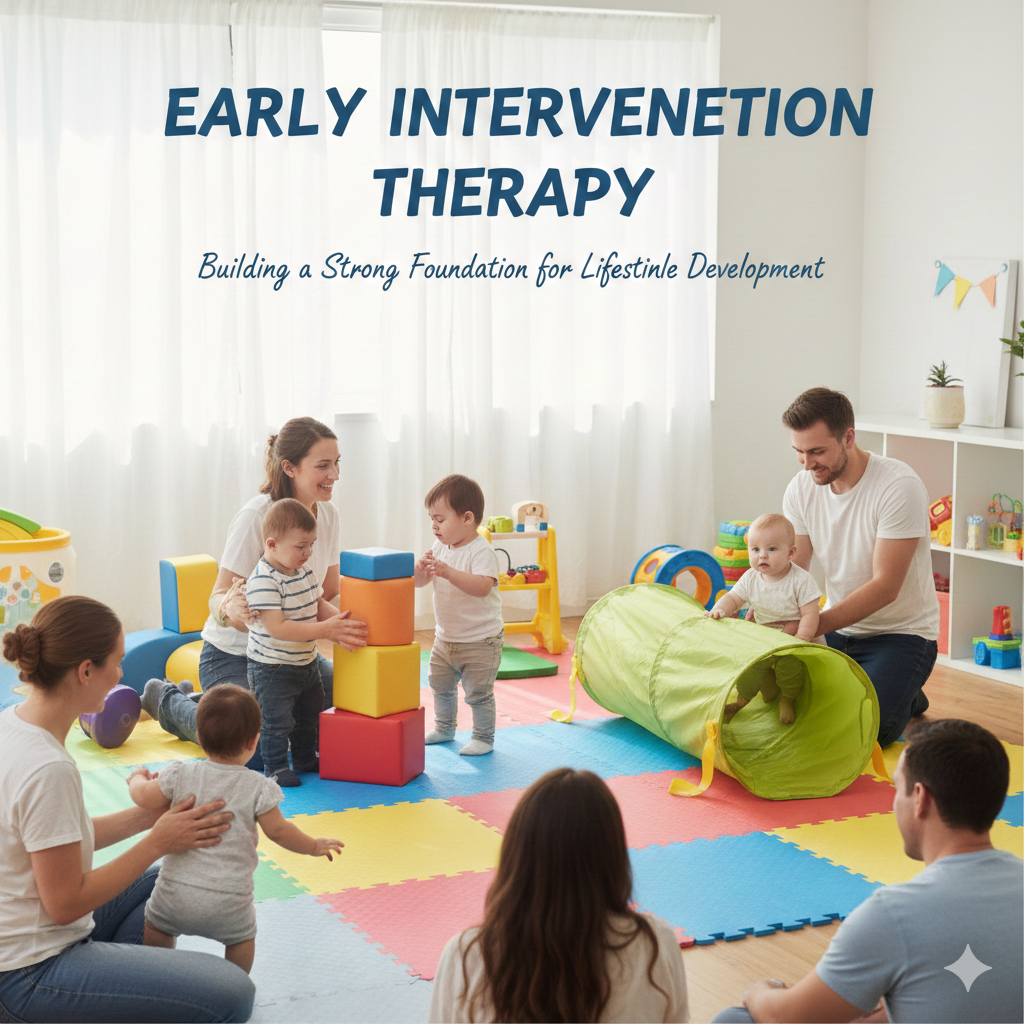
Early intervention therapy plays a crucial role in supporting children who show signs of developmental delays or face challenges in communication, social interaction, motor skills, or behavior. Rooted in evidence-based practices, early intervention equips children with the tools they need to reach their full potential during the critical early years of growth. By identifying developmental concerns and implementing therapy as soon as possible, families can foster significant improvements in a child’s cognitive, emotional, and physical development, creating a foundation for lifelong learning and success.
What Is Early Intervention Therapy?
Early intervention therapy is a specialized form of support designed for infants and young children who are at risk of or have been identified with developmental delays. The therapy encompasses a wide range of services, including speech and language therapy, occupational therapy, physical therapy, behavioral interventions, and social skills training. Each program is tailored to the unique needs of the child and often involves collaboration among a multidisciplinary team of professionals. The overarching goal is to enhance a child’s overall development, helping them acquire essential skills that will serve as the foundation for learning, social interaction, and independence.
The Importance of Early Intervention
The first few years of life represent a period of rapid brain development, making early intervention particularly impactful. Neural pathways in young children are highly adaptable, and targeted interventions during this period can produce lasting improvements in behavior, communication, and learning abilities. Research consistently demonstrates that children who receive early intervention show greater gains in cognitive and language skills, improved social and emotional functioning, and better long-term outcomes in education and daily living. Beyond benefiting children directly, early intervention therapy provides families with guidance, support, and strategies to nurture development in everyday settings.
Key Areas of Early Intervention Therapy
Speech and Language Therapy
Speech and language therapy focuses on developing clarity, vocabulary, comprehension, and expressive abilities. Children learn to communicate effectively and build confidence in social interactions, which is essential for academic and personal success.
Occupational Therapy
Occupational therapy emphasizes fine motor skills, coordination, sensory processing, and daily living activities. Through structured exercises and play-based strategies, children learn to perform tasks such as feeding, dressing, writing, and manipulating objects independently.
Physical Therapy
Physical therapy targets gross motor skills, strength, balance, and overall physical development. Exercises and movement activities are designed to enhance mobility, coordination, and posture, ensuring children can navigate their environment safely and confidently.
Behavioral Interventions
Behavioral therapies, including Applied Behavior Analysis (ABA), help children with communication, social skills, adaptive behavior, and challenging behaviors. These interventions are structured, individualized, and evidence-based, enabling children to learn new skills and replace disruptive behaviors with positive alternatives.
Social and Emotional Development
Early intervention supports social and emotional development by teaching children how to manage emotions, build relationships, cooperate with peers, and develop empathy. These skills lay the groundwork for school readiness and positive interactions throughout life.
How Early Intervention Therapy Works
Early intervention therapy begins with a comprehensive assessment to evaluate the child’s developmental strengths and areas of need. Observations, standardized tests, and input from parents and caregivers help professionals develop an individualized intervention plan. Therapy sessions are structured yet flexible, often play-based, to maintain engagement while reinforcing positive behaviors. Progress is monitored carefully, with adjustments made as the child grows and develops.
Family involvement is critical. Parents and caregivers are trained to integrate therapeutic strategies into daily routines, turning ordinary activities such as meal times, play, and dressing into opportunities for learning. This ensures consistency, reinforces skills, and strengthens the child’s progress outside formal therapy sessions.
Benefits of Early Intervention Therapy
Early intervention therapy offers benefits that span multiple areas of development. Cognitive abilities improve through targeted exercises that promote problem-solving, attention, and memory. Communication skills are strengthened, enabling children to express their needs and interact socially. Occupational and physical therapy enhance independence and mobility, while behavioral interventions teach coping strategies, emotional regulation, and adaptive behaviors. Social and emotional development improves, fostering confidence, peer relationships, and positive interactions. Families also gain knowledge, practical strategies, and confidence in supporting their child’s growth.
When to Seek Early Intervention Therapy
Early intervention is most effective when started as soon as developmental concerns are identified. Parents should monitor milestones related to speech, motor skills, social interaction, and behavior. Signs that indicate the need for evaluation include delayed speech, difficulty with motor coordination, limited social engagement, repetitive behaviors, or difficulty adapting to change. Pediatricians, educators, and specialists can assist in identifying children who may benefit from early intervention. Programs are generally available for children from birth through age five, ensuring timely support.
The Role of Families
Families are central to the success of early intervention therapy. Parents and caregivers actively participate by reinforcing skills, providing consistent routines, and applying techniques in everyday life. Therapists model strategies, give feedback, and collaborate closely with families to ensure continuity between therapy sessions and home life. This partnership strengthens the parent-child relationship and promotes consistent, meaningful learning.
Types of Early Intervention Delivery
Early intervention therapy in Matthews can be delivered in various settings depending on the child’s needs and family circumstances. Home-based therapy provides individualized attention in a familiar environment, enhancing comfort and skill generalization. Center-based therapy offers access to specialized equipment, structured social interactions, and group activities. Hybrid models combine both approaches to maximize learning opportunities and ensure consistent developmental support. The choice of delivery depends on the child’s comfort, therapy goals, and family preferences.
Measuring Progress
Progress in early intervention therapy is monitored systematically. Therapists collect data on skill acquisition, behavior changes, and milestone achievement during each session. This evidence-based approach allows for adjustments to treatment plans as necessary, ensuring interventions remain effective and aligned with the child’s evolving needs. Regular progress reviews provide insight into achievements, areas requiring further support, and next steps for continued development.
Long-Term Impact
The benefits of early intervention extend beyond early childhood, influencing school readiness, social skills, and independence. Children who receive consistent, high-quality therapy are better prepared for academic challenges and interpersonal relationships. They develop confidence, resilience, and the ability to navigate obstacles effectively. Families also benefit, gaining knowledge, practical strategies, and confidence in supporting their child’s development, creating a nurturing environment that sustains growth over time.
Conclusion
Early intervention therapy is a critical resource for children at risk of or experiencing developmental delays. By providing timely, individualized, and evidence-based support, early intervention lays a strong foundation for lifelong learning, independence, and social-emotional development. Through structured therapy, family involvement, and skill-focused strategies, children gain the tools necessary to reach their full potential. Families who engage in early intervention foster an environment that nurtures growth, enhances quality of life, and ensures children are prepared to thrive both in early childhood and in the years to come.
 hamza seo