

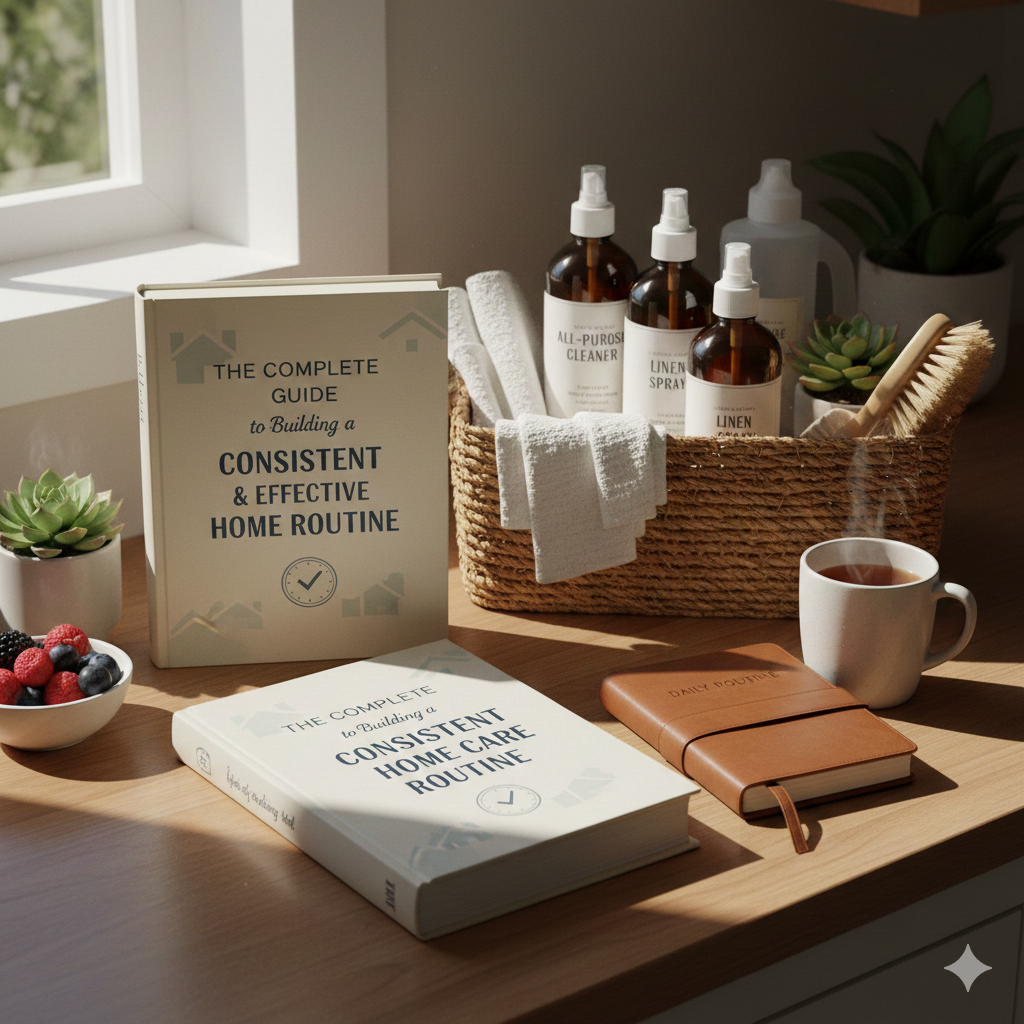
A clean home is more than just something that looks good in photos or impresses guests. It directly affects your mood, productivity, health, and overall sense of control. Yet for many people, cleaning feels overwhelming because it’s approached in an all-or-nothing way. One missed day turns into a week of buildup, and suddenly the task feels impossible. The solution isn’t cleaning harder or longer, it’s cleaning smarter, with a rhythm that fits naturally into your life says Rentwerx Management San Marcos Company.
That’s where a structured routine becomes essential. When cleaning is broken into manageable, repeatable tasks, it stops being stressful and starts feeling automatic. Instead of reacting to messes, you stay ahead of them. This article explores how to design a practical, realistic home care system that keeps your space consistently tidy without draining your energy, your time, or your motivation.
Why Consistency Matters More Than Intensity
Many people believe deep, occasional cleaning sessions are the key to a healthy home. In reality, consistency beats intensity every time. Dirt, dust, and clutter accumulate gradually. When ignored, they demand more effort later. When addressed regularly, they barely register as work.
A consistent routine prevents grime from settling in, keeps surfaces hygienic, and maintains a sense of order. It also reduces decision fatigue. When you know exactly what needs to be done and when, you don’t waste mental energy deciding where to start.
Consistency also creates momentum. Once cleaning becomes part of your normal rhythm, it no longer feels like a disruption to your day. It’s simply another habit—like making your bed or brushing your teeth.
The Psychological Benefits of a Regular Cleaning Schedule
A clean environment has a measurable impact on mental well-being. Studies have shown that cluttered spaces increase stress and reduce focus. On the other hand, an organized home promotes calmness and clarity.
Following a regular routine provides a sense of accomplishment and control, especially during busy or unpredictable weeks. Even small actions, repeated reliably, send a powerful message to your brain: “I’m on top of things.” Over time, this builds confidence and reduces anxiety associated with household responsibilities.
There’s also a powerful emotional benefit. When your home is consistently cared for, it becomes a place of rest rather than another source of pressure.
Understanding the Core Philosophy of Weekly Cleaning
At the heart of an effective home care system is the idea of balance. You’re not trying to clean everything every day, nor are you waiting until things become unmanageable. A thoughtful weekly cleaning rhythm focuses on maintaining cleanliness rather than constantly restoring it from chaos.
This approach divides tasks across the week so no single day feels overwhelming. Floors, surfaces, fabrics, and high-use areas are refreshed regularly, preventing buildup while still leaving room for flexibility.
The key is not perfection, but maintenance. When your baseline level of cleanliness stays high, your home always feels welcoming even on your busiest days.
Breaking Down Tasks for Maximum Efficiency
The most effective routines are built around categories rather than rooms. Instead of saying “clean the entire kitchen,” break it into clear, repeatable actions:
- Surface care (wiping counters, tables, and shelves)
- Floor care (vacuuming or mopping)
- Fabric refresh (laundry, linens, cushions)
- Bathroom hygiene (toilets, sinks, mirrors)
- General organization (clearing clutter, returning items)
When tasks are defined this way, they’re easier to schedule and complete. You also avoid over-cleaning one area while neglecting another.
Efficiency comes from repetition. Doing the same tasks in the same order each week reduces effort and time, because your body and mind already know the process.
Tools and Supplies That Simplify the Process
A routine is only as effective as the tools supporting it. You don’t need dozens of specialized products, but you do need reliable basics that are easy to access.
Keep essential supplies visible and convenient. When cleaning tools are hidden or hard to reach, even simple tasks feel like a hassle. Consider grouping items by purpose surface care, floor care, and bathroom care so everything you need is within arm’s reach.
Using multi-purpose products can also streamline your routine. Fewer choices mean less time deciding and more time doing. The goal is to remove friction wherever possible.
Time Management: Making Cleaning Fit Your Life
One of the biggest myths about maintaining a clean home is that it requires large blocks of free time. In reality, most maintenance tasks take far less time than expected when done regularly.
A well-designed routine typically takes a few focused sessions spread throughout the week. Many people find success by pairing cleaning with existing habits, such as tidying surfaces while waiting for laundry or wiping down areas during breaks.
Timers can be surprisingly effective. Setting a short, defined time limit creates urgency and prevents perfectionism. You’ll often accomplish more in 20 focused minutes than in an unfocused hour.
Preventing Burnout and Staying Motivated
Even the best routine can fail if it feels too rigid or demanding. Sustainability is crucial. Your system should support your life, not compete with it.
Give yourself permission to adjust when needed. Some weeks will be busier than others, and that’s okay. Skipping a task doesn’t mean failure it just means resuming when you can.
Variety can also help maintain motivation. Changing the order of tasks, listening to music or podcasts, or rewarding yourself afterward keeps the process enjoyable. Remember, the goal is progress, not punishment.
The Role of Accountability and Shared Responsibility
If you live with others, cleaning should never fall on one person alone. Shared spaces require shared effort. Clear communication about expectations prevents resentment and confusion.
Assigning specific responsibilities or rotating tasks can make a routine feel fair and manageable. When everyone knows their role, the home stays cleaner with less effort from each individual.
Accountability doesn’t have to be strict. Gentle reminders and visible checklists can be enough to keep everyone aligned without creating tension.
How Routine Cleaning Impacts Long-Term Home Care
Regular maintenance extends the life of your belongings and surfaces. Dust and grime can damage finishes, fabrics, and appliances over time. By addressing them consistently, you reduce wear and avoid costly replacements or repairs.
This is another advantage of weekly cleaning: it protects your investment in your home and possessions. Small actions, repeated often, prevent long-term deterioration.
Over time, you’ll notice that deep cleaning becomes less necessary because your home never reaches a neglected state. That alone can save hours of effort each month.
Creating a Personalized Routine That Actually Works
No two households are identical, and no single routine fits everyone. The most effective system is one tailored to your lifestyle, schedule, and priorities.
Start by observing your space. Identify which areas get dirty fastest and which tasks have the biggest impact. Build your routine around those insights rather than copying someone else’s checklist.
Flexibility is essential. Your routine should evolve as your life changes. Adjusting tasks, timing, or frequency isn’t a sign of failure, it’s a sign of awareness.
Long-Term Results: What You Can Expect
When maintained consistently, a structured routine transforms not just your home, but your relationship with it. Cleaning stops feeling like an endless chore and starts feeling like a form of self-care.
You’ll spend less time reacting to messes and more time enjoying your space. Your home will feel calmer, more functional, and more welcoming both to you and to others.
Most importantly, the habit becomes self-reinforcing. Once you experience the ease and peace that comes with weekly cleaning it’s hard to imagine going back to chaotic, last-minute scrubbing sessions.
Final Thoughts
A clean home isn’t built in a single day, and it doesn’t require perfection. It’s built through small, intentional actions repeated with care and consistency. By focusing on rhythm instead of intensity, you create a system that supports your life rather than overwhelms it.
The real success of a cleaning routine isn’t how spotless your home looks on any given day, but how effortlessly you’re able to maintain it over time. With the right mindset, tools, and structure, keeping your home clean becomes not just manageable but genuinely satisfying.
 hamza seo