

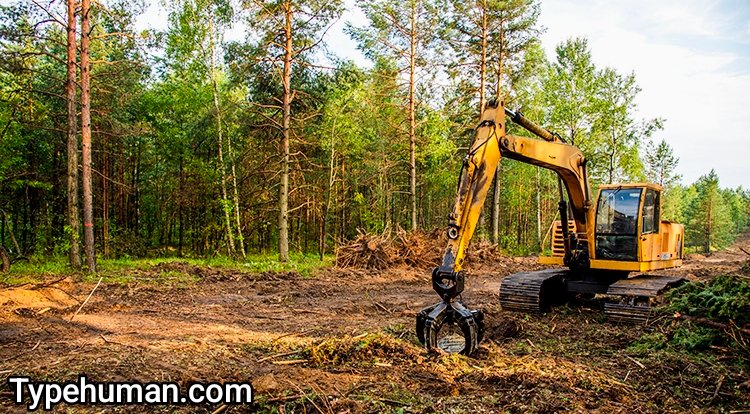
Land clearing is a crucial process in preparing a piece of land for construction, agriculture, or other developmental projects. Whether for commercial purposes, residential construction, or agricultural use, land clearing ensures that the area is free from obstacles, enabling smooth development. This comprehensive guide explores what land clearing entails, the methods involved, its benefits, environmental considerations, and tips for efficient and sustainable execution.
Understanding Land Clearing
Land clearing refers to the removal of trees, shrubs, rocks, stumps, and other obstacles from a plot of land. It is an essential step in land management, especially in areas where the terrain is overgrown or uneven. Proper land clearing not only prepares the land for construction or agriculture but also minimizes risks such as soil erosion, pest infestation, and fire hazards.
The process can vary depending on the land’s size, terrain, and intended purpose. For example, clearing land for a farm requires different techniques compared to preparing a plot for building infrastructure. Effective land clearing combines manual labor, mechanized equipment, and sometimes controlled burns, all aimed at creating a safe and functional space.
Methods of Land Clearing
There are several methods used in land clearing, each with specific advantages and suitable applications. Choosing the right method ensures efficiency and minimizes environmental impact.
Manual Land Clearing
Manual clearing involves using hand tools like axes, machetes, chainsaws, and shovels to remove vegetation. This method is labor-intensive but precise, allowing workers to selectively clear the land while preserving valuable trees and plants. Manual clearing is often used in smaller plots or areas where environmental conservation is a priority.
Mechanical Land Clearing
For larger areas, mechanical clearing is the most efficient option. Equipment such as bulldozers, excavators, and brush mowers can remove trees, shrubs, and rocks quickly and effectively. Mechanical methods significantly reduce labor time but require skilled operators to ensure safety and prevent damage to surrounding areas.
Chemical Land Clearing
Chemical clearing involves using herbicides to eliminate unwanted vegetation. While this method can be effective for controlling invasive plants or clearing large areas with minimal labor, it requires careful application to avoid contamination of soil and water sources. Environmental regulations often guide the use of chemicals to ensure minimal ecological impact.
Controlled Burning
Controlled burning, or prescribed fire, is sometimes used to clear land, particularly in agricultural or forestry contexts. This method can efficiently remove underbrush and prepare soil for cultivation. However, it requires expertise to prevent wildfires and manage air quality concerns. Controlled burning is usually combined with other methods to achieve optimal results.
Benefits of Land Clearing
The benefits of land clearing extend beyond simple preparation of land. Properly executed, land clearing can enhance land usability, safety, and productivity.
- Enhanced Land Usability
Clearing land ensures that the space is functional for its intended purpose. For construction projects, it provides a stable foundation, free from obstacles that can interfere with building. In agriculture, cleared land allows for efficient planting, irrigation, and harvesting processes. - Reduced Fire Hazards
Overgrown vegetation can pose a significant fire risk. Land clearing removes excess brush and dead trees, reducing fuel for potential wildfires and enhancing the safety of the area. - Pest Control
Unmanaged land often harbors pests such as rodents, insects, and invasive plant species. Land clearing helps control these threats by removing habitats and making the land less conducive to infestations. - Soil and Water Management
Effective land clearing includes grading and leveling, which improves drainage and prevents soil erosion. This ensures better soil health and reduces the risk of flooding or waterlogging in developed areas.
Environmental Considerations
While land clearing offers many advantages, it can also have environmental consequences if not performed responsibly. Over-clearing or improper methods can lead to soil degradation, loss of biodiversity, and disruption of natural habitats. Therefore, sustainable land clearing practices are essential.
Soil Protection
Heavy machinery and excessive clearing can compact soil, reducing its fertility and water absorption capacity. Sustainable methods, such as selective clearing and maintaining vegetation buffers, help protect soil health while still preparing land for use.
Preserving Ecosystems
Before initiating land clearing, it is important to assess the presence of native flora and fauna. Avoiding unnecessary clearing and preserving critical habitats ensures that ecosystems remain balanced. In some cases, consulting with environmental experts or conducting ecological assessments is recommended.
Waste Management
Cleared vegetation, such as tree trunks, branches, and shrubs, can be repurposed as mulch, compost, or biofuel. Proper disposal reduces environmental impact and supports sustainable land management practices.
Planning a Successful Land Clearing Project
Proper planning is key to executing an efficient and environmentally responsible land clearing project. Several factors should be considered before starting the process:
- Assess the Land
Evaluate the size, slope, vegetation type, and soil condition of the area. This helps determine the most suitable clearing method and equipment. - Set Objectives
Define the purpose of land clearing whether for construction, farming, or landscaping. Clear objectives guide decision-making and prevent unnecessary work. - Obtain Permits
Many regions require permits for land clearing, especially for large-scale or forested areas. Complying with regulations ensures that the project remains legal and environmentally compliant. - Choose the Right Equipment
Selecting appropriate machinery or tools depends on the land size, terrain, and vegetation type. Using the right equipment improves efficiency and reduces project costs. - Implement Safety Measures
Land clearing can be hazardous. Safety protocols, protective gear, and trained operators are essential to prevent accidents and injuries. - Incorporate Environmental Safeguards
Use erosion control measures, preserve waterways, and consider reforestation or landscaping to mitigate the environmental impact of clearing.

Challenges in Land Clearing
While land clearing is essential, it comes with challenges that need careful management:
- Terrain Difficulties: Rocky or uneven terrain can complicate the clearing process. Specialized equipment may be required.
- Weather Conditions: Heavy rains or extreme heat can delay clearing and affect soil stability.
- Regulatory Compliance: Navigating permits and environmental regulations can be complex, requiring thorough planning and documentation.
- Cost Management: Land clearing, especially on a large scale, can be expensive. Proper budgeting and method selection are crucial to controlling expenses.
Innovations and Modern Techniques
Recent advancements in technology have improved the efficiency and sustainability of land clearing. Drones and satellite mapping allow for precise assessment of land conditions, helping operators plan with minimal disruption. Additionally, eco-friendly machinery powered by renewable energy sources is becoming more common, reducing emissions and soil compaction.
Conclusion
Land clearing is a foundational process in land development, agriculture, and construction. By understanding the techniques, benefits, challenges, and environmental considerations, landowners and developers can ensure that their projects are executed efficiently and responsibly. Proper planning, method selection, and sustainable practices make land clearing not just a preparatory step, but a strategic investment in the long-term usability and productivity of land.
For anyone embarking on land development, land clearing is a critical step that cannot be overlooked. Whether manual, mechanical, chemical, or a combination of methods, the goal is to create usable, safe, and environmentally responsible space. By following best practices and considering ecological impacts, land clearing can transform overgrown or underutilized areas into thriving, functional land ready for development.