

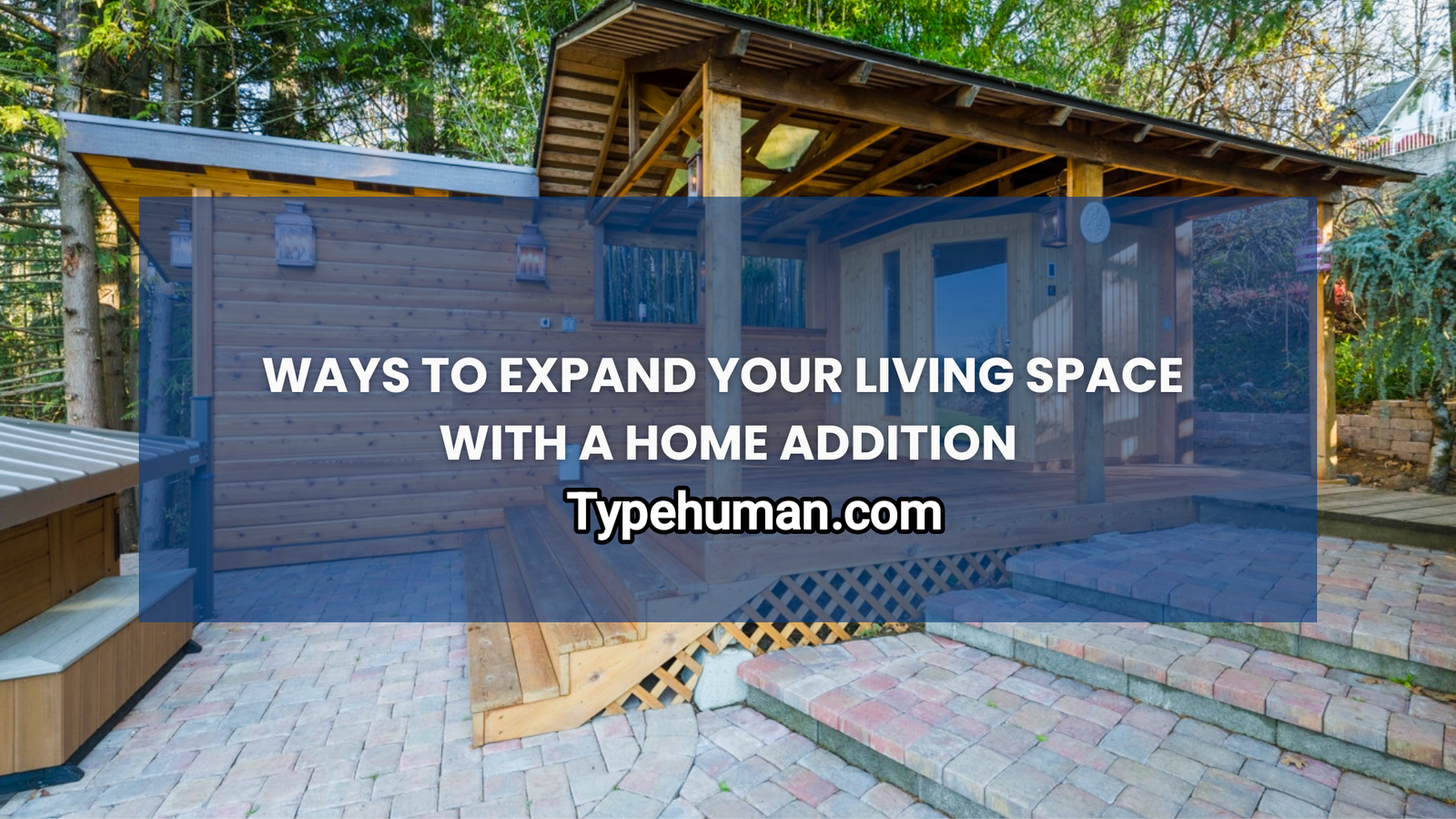
In today’s fast-paced world, the desire for more living space is a common aspiration for homeowners. Whether your family is growing, you need a dedicated workspace, or you simply want to increase the value of your property, home additions provide a practical solution. A home addition allows you to enhance your current space without the need to relocate, offering both convenience and long-term benefits, explains Aurora Management Company. From creating extra bedrooms to adding sunlit living areas, these expansions can transform a home both functionally and aesthetically.
Understanding Home Additions
Home additions refer to the process of expanding your existing residence by building new sections or rooms. These can include extra bedrooms, bathrooms, sunrooms, garages, or even second-story extensions. The primary goal is to increase functionality while maintaining aesthetic harmony with your existing home. Unlike renovations, which focus on updating or improving current spaces, home additions involve physically enlarging your home.
One of the most appealing aspects of home additions is their flexibility. You can design them to suit specific needs, whether it’s a personal library, a dedicated home office, or a private gym. Additionally, well-executed additions blend seamlessly with the existing structure, ensuring that the new space does not feel out of place.
Planning Your Home Additions
Planning is arguably the most crucial phase of a home addition project. It requires careful consideration of several factors, including budget, design, and functionality. Homeowners often underestimate the time and resources required, so thorough planning ensures smoother execution and fewer unexpected setbacks.
Budgeting
Establishing a realistic budget is essential. Consider not only construction costs but also permits, design fees, landscaping adjustments, interior finishes, and furniture for the new space. A detailed budget prevents overspending and allows for prioritization of features that matter most. It’s also wise to include a contingency fund of around 10–15% for unexpected costs, which are common in construction projects.
Design and Architecture
Your home addition should blend seamlessly with your current architecture. Engaging a professional designer or architect ensures that the new structure is both aesthetically pleasing and functional. Careful attention should be paid to rooflines, exterior materials, window placements, and interior flow. This approach prevents the addition from feeling like an afterthought and enhances the overall visual appeal of your home.
Permits and Regulations
Before starting construction, it’s important to understand local building codes and permit requirements. Compliance ensures safety and prevents potential legal or resale issues in the future. Working with professionals familiar with local regulations can simplify this process and avoid costly delays.
Future-Proofing
Consider your long-term needs. A well-planned home addition should accommodate lifestyle changes, such as aging in place, growing families, or evolving work-from-home requirements. For example, designing an addition with wider hallways, accessible bathrooms, or flexible layouts can make your home adaptable for years to come.
Types of Home Additions
There are numerous ways to expand your living space. Each type has its own advantages and design considerations:
- Room Additions: The most common form, this involves adding a bedroom, bathroom, or living area. Room additions are versatile and can significantly improve functionality. For instance, a new bedroom can accommodate a growing family, while an additional bathroom can reduce morning congestion.
- Second-Story Additions: Ideal for homeowners with limited yard space, adding a second story can dramatically increase square footage without altering your property’s footprint. This option often requires structural reinforcement but provides an elegant solution for maximizing space.
- Sunrooms and Conservatories: These additions bring natural light into your home, creating inviting spaces for relaxation or entertainment. Sunrooms are particularly popular for those who enjoy indoor-outdoor living without exposure to harsh weather conditions.
- Garage Conversions and Extensions: Expanding or converting your garage can provide extra living space or serve as a dedicated storage area. Many homeowners transform garages into offices, studios, or recreational rooms, making this a cost-effective way to increase usable space.
- Kitchen and Dining Extensions: Widening your kitchen or adding a dining area enhances both comfort and property value. Open-plan layouts are increasingly popular, allowing family members to gather comfortably while meals are being prepared.
Benefits of Home Additions
Home additions offer numerous advantages that go beyond increased square footage. Understanding these benefits can help you make an informed decision:
Increased Property Value
A well-executed home addition often yields a high return on investment, making it a smart financial move. Additional bedrooms, bathrooms, or living spaces make a property more appealing to potential buyers, often leading to higher resale value.
Enhanced Comfort and Convenience
Expanding your home allows for greater flexibility and comfort. Whether it’s creating a private office, a new master suite, or a dedicated playroom, home additions cater to your unique lifestyle needs. Families with teenagers, for example, might benefit from a lofted space or a bonus room that offers privacy while staying connected to the rest of the home.
Customization
Unlike purchasing a new home, home additions allow for complete customization. You can design spaces exactly as you envision, reflecting your style and preferences. From flooring choices and lighting to wall finishes and storage solutions, the new addition can become a personal expression of your taste.
Avoiding Relocation
Home additions provide extra space without the hassle of moving. Staying in your current home maintains stability while still meeting your family’s evolving needs. This is particularly valuable for homeowners who love their neighborhood, schools, or local amenities and prefer to avoid the stress of buying a new property.
Challenges to Consider
While the benefits are substantial, home additions also come with potential challenges. Being aware of these can help mitigate risks:
- Construction Disruption: Adding to your home can be disruptive, sometimes requiring temporary relocation or adjustments to daily routines. Noise, dust, and restricted access are common during construction, so planning ahead is essential.
- Cost Overruns: Unforeseen expenses, such as structural reinforcements, utility modifications, or custom materials, can increase overall costs. Maintaining a contingency budget helps cover these surprises without compromising quality.
- Design Compatibility: Mismatched architectural styles or materials can reduce aesthetic appeal and property value. Ensuring cohesive design is key, and working with an experienced architect can help achieve harmony between old and new structures.
- Permit Delays: Navigating permits and inspections can extend project timelines. Partnering with professionals familiar with local regulations can streamline the approval process.
Cost Considerations
Understanding the costs involved in home additions is critical for planning. Costs can vary widely depending on size, materials, and complexity. For example:
- Room Additions: These can range from moderate to high, depending on finishes, flooring, and electrical or plumbing requirements.
- Second-Story Additions: Typically more expensive due to structural reinforcement and roofing.
- Sunrooms and Conservatories: Costs can vary based on glass type, insulation, and HVAC integration.
- Garage Conversions: Usually more cost-effective but may require additional work to meet building codes.
Homeowners should also consider hidden costs, such as landscaping changes, temporary storage for furniture, and interior décor for the new space. Consulting a professional can help create a realistic budget that accounts for all aspects of the project.
Tips for a Successful Home Addition
- Hire Qualified Professionals: Experienced architects, contractors, and designers bring valuable insight, reducing errors and enhancing project quality.
- Prioritize Functionality: While aesthetics are important, functionality should be the cornerstone of your design. Focus on layouts that enhance daily living.
- Use Quality Materials: Investing in durable, high-quality materials may increase initial costs but ensures longevity and reduces maintenance over time.
- Maintain Open Communication: Regular communication with your contractor prevents misunderstandings and ensures the project stays aligned with your vision.
- Plan for Energy Efficiency: Incorporate energy-efficient windows, insulation, and appliances. This not only reduces long-term costs but also enhances comfort and sustainability.
- Incorporate Flexibility: Designing spaces with multiple uses in mind ensures your addition remains functional as your lifestyle evolves. Movable partitions, modular furniture, or rooms that serve dual purposes add long-term value.
Lifestyle Benefits of Home Additions
Home additions can profoundly improve your day-to-day life. A larger kitchen allows family members to cook and interact simultaneously, creating a more social environment. A new bedroom can provide a teenager or guest with privacy, while a dedicated home office boosts productivity. Sunrooms and conservatories offer a peaceful retreat for reading, hobbies, or morning coffee.
Beyond practical benefits, these additions contribute to emotional well-being. Having a space tailored to your needs promotes comfort, reduces stress, and creates a stronger connection with your home.
The Future of Home Additions
As lifestyles evolve, home additions are increasingly becoming a strategic solution for modern living. With remote work, multi-generational households, and the desire for personal wellness spaces, the demand for thoughtful expansion continues to grow. Homeowners are exploring creative solutions, such as flexible spaces that serve multiple purposes, or integrating smart home technology into new areas.
Sustainable building practices are gaining traction. Eco-friendly materials, solar panels, and energy-efficient design elements are being incorporated into home additions to reduce environmental impact while enhancing functionality.
Conclusion
Home additions represent more than just extra square footage; they are an investment in comfort, convenience, and long-term value. By carefully planning, choosing the right design, and considering both practical and aesthetic factors, homeowners can create spaces that truly meet their needs. From added bedrooms and living areas to sunrooms and second-story expansions, the possibilities are virtually limitless. Thoughtful home additions can transform a house into a dream home, accommodating life’s changes while increasing overall property value.
In the end, a well-executed home addition combines creativity, functionality, and strategic planning, offering benefits that extend far beyond the initial construction. Whether for personal enjoyment, family needs, or financial growth, home additions remain one of the most effective ways to enhance your living space and make your home truly your own.
 hamza seo