

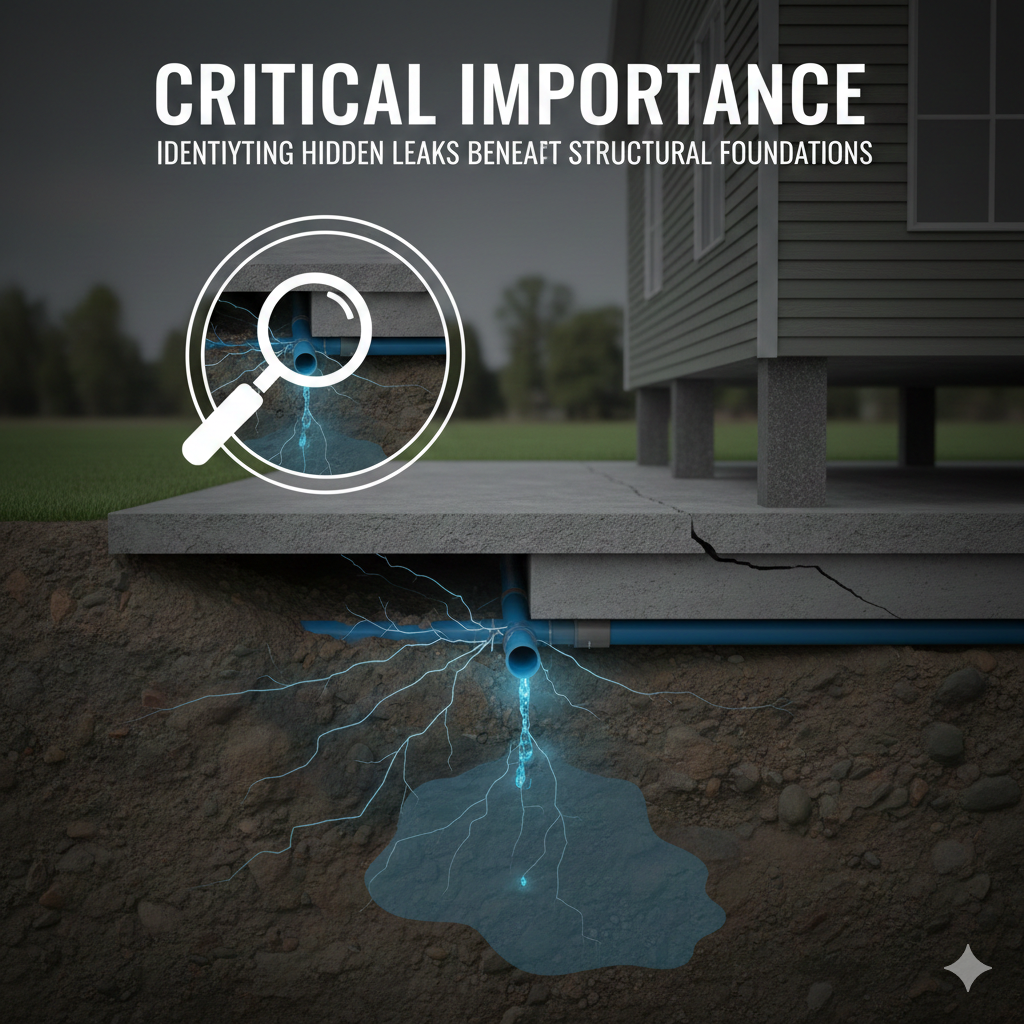
Modern buildings rely heavily on plumbing systems that are carefully integrated into their structural design. One of the most complex and potentially damaging plumbing problems occurs when a leak develops beneath a concrete foundation. These leaks are not only difficult to locate but can also cause serious structural, financial, and health-related issues if left unresolved. Because the affected pipes are buried beneath thick slabs of concrete, the problem often progresses silently, making early awareness and accurate identification essential.
This detailed guide explores how slab leaks form, why they are dangerous, the warning signs to watch for, and the advanced methods used to identify them accurately. By understanding this issue in depth, property owners can take proactive steps to protect their buildings and avoid long-term consequences.
What Is a Slab Leak and How Does It Occur?
A slab leak refers to water escaping from plumbing lines that run beneath a concrete foundation. These pipes are typically installed during construction and are meant to last for decades. However, several factors can cause them to deteriorate over time. Corrosion, soil movement, water pressure fluctuations, abrasion from surrounding materials, and poor installation practices can all contribute to pipe failure.
Because these pipes are hidden beneath concrete, leaks often go unnoticed for extended periods. Unlike visible plumbing issues, there may be no immediate puddles or dripping sounds. Instead, water slowly spreads beneath the foundation, saturating soil and weakening structural support. This hidden nature makes slab leak detection particularly challenging and emphasizes the importance of professional evaluation.
Why Slab Leaks Are Especially Dangerous
Slab leaks pose unique risks compared to leaks in walls or ceilings. When water accumulates beneath a foundation, it can erode soil, causing uneven settling or shifting. Over time, this movement may lead to cracks in walls, flooring, and the foundation itself. Structural instability is one of the most serious consequences of untreated slab leaks.
In addition to structural concerns, constant moisture beneath a building creates ideal conditions for mold and mildew growth. These organisms can spread upward into living spaces, affecting indoor air quality and posing health risks. Mold exposure has been linked to respiratory problems, allergies, and other long-term health issues.
Another major concern is financial impact. Water escaping beneath a slab often leads to higher utility bills without any obvious explanation. Combined with the potential cost of extensive repairs, slab leaks can become one of the most expensive plumbing issues a property owner may face.
Early Warning Signs That Should Not Be Ignored
Although slab leaks are hidden, they often produce subtle warning signs. Unexplained increases in water bills are among the most common indicators. If water usage appears higher without changes in daily habits, a hidden leak may be the cause.
Other signs include warm or damp spots on floors, especially in areas where hot water lines run beneath the slab. Cracks in flooring materials, baseboards, or walls can also signal shifting caused by water erosion below the foundation. In some cases, the sound of running water may be heard even when all fixtures are turned off.
Persistent musty odors, visible mold growth, or unexplained humidity within the home may also point to moisture problems beneath the slab. Paying attention to these indicators and acting quickly can prevent severe damage.
Traditional Methods and Their Limitations
In the past, identifying leaks beneath concrete often involved invasive and disruptive techniques. Plumbers might break through flooring or dig into foundations based on educated guesses. While sometimes effective, these methods frequently resulted in unnecessary damage and higher repair costs.
Pressure testing and manual inspections provided limited insight and often failed to pinpoint the exact location of the leak. This trial-and-error approach extended repair timelines and increased disruption to occupants.
The limitations of traditional methods highlighted the need for more precise, non-invasive solutions capable of locating leaks accurately without compromising the structure.
Advanced Technology and Accurate Identification
Modern technology has revolutionized how hidden leaks are identified. Today, professionals rely on a combination of advanced tools to locate leaks beneath concrete with minimal disruption. Acoustic listening devices detect the sound of water escaping from pressurized pipes, even through thick slabs. These devices isolate specific frequencies, allowing technicians to pinpoint the source with impressive accuracy.
Thermal imaging cameras are another essential tool. By detecting temperature variations caused by leaking water, these cameras reveal hidden moisture patterns beneath flooring. This method is especially useful for identifying hot water line leaks.
Electronic moisture meters measure dampness in building materials, helping confirm the presence and extent of water intrusion. When used together, these technologies enable precise slab leak detection, reducing the need for unnecessary demolition and speeding up the repair process.
The Importance of Professional Expertise
While technology plays a crucial role, expertise is equally important. Interpreting data from detection tools requires experience and training. Professionals understand how plumbing systems are laid out beneath slabs and can differentiate between normal conditions and signs of leakage.
Accurate diagnosis ensures that repairs are targeted and effective. Instead of replacing entire sections of plumbing, professionals can address the specific problem area, saving time and reducing costs. This precision is one of the biggest advantages of modern slab leak detection services.
Repair Options After Detection
Once a leak has been identified, several repair strategies may be considered depending on the severity and location of the issue. In some cases, spot repairs can be performed by accessing the damaged section directly. This approach is often suitable for isolated leaks and minimizes disruption.
For older systems or extensive damage, rerouting plumbing lines may be recommended. This method bypasses the compromised pipes beneath the slab, reducing the risk of future leaks. While more involved, it can be a long-term solution that enhances system reliability.
The chosen repair method should balance effectiveness, cost, and long-term durability. Accurate detection ensures that this decision is based on reliable information rather than assumptions.
Benefits of Early Detection for Homeowners
For homeowners, early identification of slab leaks offers significant benefits. Preventing structural damage preserves property value and avoids major renovations. Addressing leaks promptly also reduces water waste and lowers utility bills.
Early detection contributes to a healthier living environment by minimizing moisture-related issues such as mold growth. It also provides peace of mind, knowing that the foundation and plumbing systems are being protected.
Regular assessments are especially valuable for older homes, where aging pipes are more susceptible to corrosion and failure. Proactive evaluation helps extend the lifespan of plumbing infrastructure.
Advantages for Commercial and Multi-Unit Properties
In commercial and multi-unit buildings, slab leaks can disrupt operations and affect multiple occupants. Water damage may lead to business interruptions, tenant complaints, and liability concerns. Early detection supports efficient property management and reduces the risk of widespread damage.
Insurance considerations are also important. Demonstrating proactive maintenance and early response may support claims and reduce long-term liability. In this context, slab leak detection is not just a maintenance task but a strategic investment.
Preventive Measures and Ongoing Monitoring
While not all slab leaks can be prevented, certain measures reduce risk. Maintaining stable water pressure, addressing minor plumbing issues promptly, and scheduling regular inspections help identify potential problems early.
Smart water monitoring systems add another layer of protection by tracking usage patterns and alerting property owners to anomalies. These systems are particularly useful for large properties or buildings that are not constantly occupied.
Combining preventive practices with professional assessments creates a comprehensive approach to managing hidden plumbing risks.
Environmental and Financial Responsibility
Water conservation has become a global priority, and undetected leaks contribute significantly to unnecessary waste. Slab leaks, in particular, can waste large volumes of water over time. Addressing these issues promptly supports responsible resource use while reducing costs.
From a financial perspective, early detection minimizes repair expenses and protects building materials. The long-term savings often far outweigh the initial cost of inspection and detection services.
Long-Term Value of Proactive Management
Proactive management of plumbing systems delivers lasting value. Reduced emergency repairs, improved structural stability, and enhanced occupant comfort all contribute to a more resilient property. Over time, this approach simplifies maintenance planning and budgeting.
Effective slab leak detection shifts the focus from reacting to damage to preventing it. This mindset not only protects physical structures but also supports sustainable and efficient property ownership.
A Smarter Approach to Foundation Protection
Leaks beneath concrete foundations represent one of the most challenging plumbing issues, yet they are also among the most manageable with the right approach. Understanding how these leaks develop, recognizing early warning signs, and using modern technology allows property owners to address problems before they escalate.
In the end, slab leak detection is about foresight and responsibility. It protects the foundation, preserves the integrity of the building, and safeguards the health and comfort of occupants. By prioritizing early identification and professional evaluation, property owners can avoid costly surprises and ensure long-term stability for years to come.
 hamza seo